
Saving six figures feels like a mountain peak hidden in the clouds. I remember sitting at my kitchen table in early 2022 with exactly $412 in my savings account. The idea of reaching $100,000 felt like a fairy tale. I felt behind. I felt like the math didn’t work for someone with my salary. But I realized that big numbers are just small numbers repeated with discipline. As we head into 2026, the economic world looks different. Inflation has shifted how we view a dollar, and traditional advice from ten years ago won’t cut it. You need a modern roadmap. This guide is the result of my failures, three years of aggressive tracking, and the exact 20 steps I used to build a $100k cushion.
1. Audit Your 2025 Subscriptions
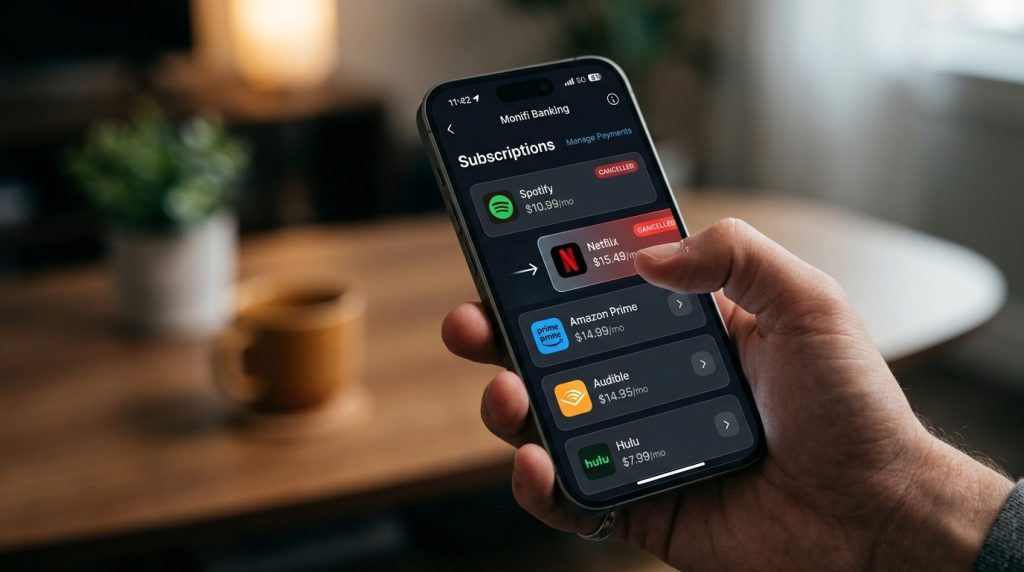
Most people lose $200 a month to “ghost” expenses. These are the apps you downloaded for a free trial and forgot. Go through your bank statements from the last ninety days. If you haven’t used a service in three weeks, cancel it. In 2026, subscription fatigue is real. Digital clutter drains your wallet before you even see your paycheck. I cut four streaming services and a gym membership I never used. That was an extra $110 back in my pocket instantly.
2. Set Up a High Yield Environment
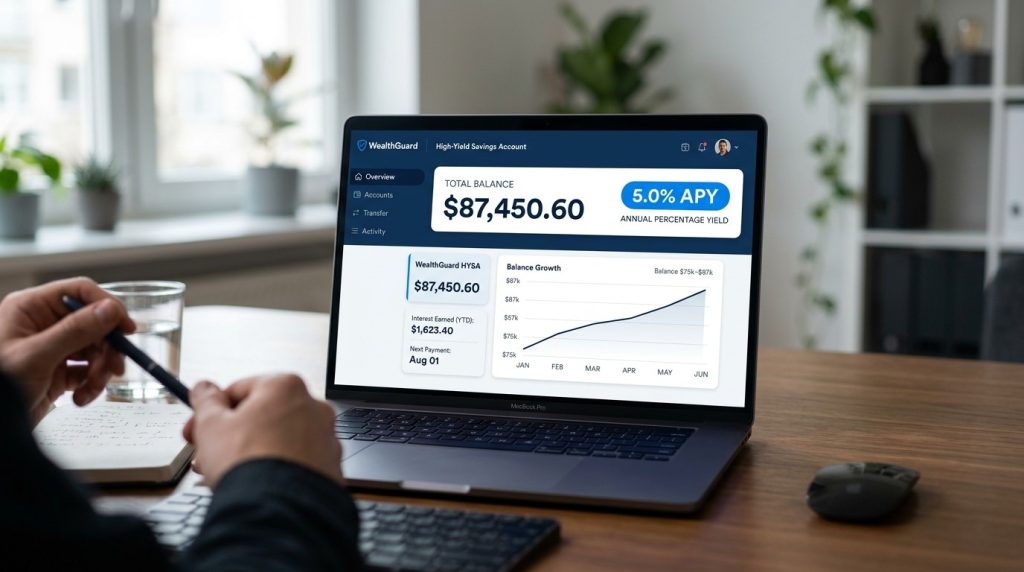
Standard savings accounts are where money goes to die. In 2026, you must use accounts yielding at least 4.5% or 5%. If your bank pays you 0.01%, you are losing money to inflation every second. I moved my funds to an online-only bank. The jump in interest meant my money earned enough for a free grocery trip every month. It’s passive growth you can’t ignore.
3. The 48 Hour Rule for Big Purchases

Impulse is the enemy of the $100k goal. If you see something over $100, wait two full days. Usually, the dopamine hit fades by hour 30. I wanted a new espresso machine last month. I waited. Two days later, I realized my old French press worked fine. I saved $400 by doing nothing. This rule keeps your logic in charge of your emotions.
4. Master the Reverse Budget

Traditional budgeting feels like a chore. Instead, pay your savings account first. When your paycheck hits, move your target amount immediately. Live on whatever remains. This forces you to be creative with your spending. When the money isn’t in your checking account, you stop looking for ways to spend it. I started with 10% and moved to 25% as I got used to the “scarcity.”
5. Negotiate Your Fixed Monthly Bills

Your internet, insurance, and cell phone providers count on your laziness. Call them. Tell them you are looking at competitors. Last year, I spent twenty minutes on the phone and dropped my internet bill by $30 a month. That is $360 a year for one phone call. In 2026, loyalty to brands is expensive. Be willing to switch to save.
6. Use Cash Back Stacking

Never pay full price if a rebate exists. Use browser extensions and credit card rewards together. I use a 2% cash back card for everything and pay it off weekly. Then I layer on a shopping portal. On a $500 laptop purchase, I ended up with $40 back. It sounds small, but over five years, this adds thousands to your $100k total.
7. Build a Specific 2026 Side Income

A single income is a risk. You need a “gap filler.” I started selling digital templates on the side. It took four hours a week but brought in an extra $500 a month. That entire $500 goes straight to the $100k goal. Do not use side money for lifestyle upgrades. Use it as a gas pedal for your savings.
8. Bulk Buy for the Quarter

Food costs are the biggest variable in a budget. Stop daily grocery trips. Buy staples like rice, beans, and proteins in bulk every three months. I reduced my food waste by 40% using this method. It prevents those “extra” items from jumping into your cart during weekly runs. Planning ahead stops the hunger-based spending.
9. The No Spend Weekend Challenge

Pick two weekends a month where you spend zero dollars. Use what you have at home. Go for a hike. Read a book. Invite friends over for a potluck instead of going to a bar. My “no spend” weekends usually save me $150 each. That is $300 a month or $3,600 a year toward your goal.
10. Automate Your Incremental Raises

When you get a raise at work, don’t change your lifestyle. If you get a 3% bump, set your auto-transfer to increase by 3% the same day. You won’t miss money you never saw. This is how I doubled my savings rate in two years without feeling the “pain” of cutting back.
11. Kill High Interest Debt First

You cannot save $100k effectively while paying 24% on a credit card. It’s like trying to fill a bucket with a massive hole in the bottom. Use the debt snowball. Pay off the smallest balance first for the win, then move to the next. Once my credit cards were at zero, my savings speed tripled.
12. Review Your Housing Costs

If your rent is more than 35% of your income, your $100k goal will take decades. I moved to a slightly smaller apartment ten minutes further from downtown. My rent dropped by $450. That change alone funded nearly 30% of my yearly savings target. Location is a luxury you can trade for wealth.
13. Track Your Net Worth Weekly

What you measure, you manage. Use a simple spreadsheet. Seeing the number go from $5,000 to $5,200 gives you a hit of motivation. It turns saving into a game. I check mine every Sunday morning. It reminds me why I’m skipping the expensive brunch.
14. Fix Things Instead of Replacing

We live in a “buy new” culture. If a toaster breaks, we toss it. I started watching YouTube tutorials to fix basic household items. I saved a $600 dishwasher by buying a $15 part and spending an hour on the floor. These small wins protect your pile of cash.
15. The “Price Per Use” Calculation

Before buying clothes or gear, divide the price by how many times you will actually use it. A $200 jacket you wear 200 times is $1 per use. A $50 trendy shirt you wear twice is $25 per use. Buy quality items that last. Cheap things are expensive because you buy them twice.
16. Stop Chasing Luxury Trends

In 2026, the pressure to look “rich” on social media is high. Ignore it. Most people with the newest car have the smallest bank accounts. I drive an eight-year-old sedan that is paid off. Not having a $600 car payment is the secret reason I hit my milestones early.
17. Use Tax Advantaged Accounts

Max out your 401k or IRA. The tax savings are an immediate “return” on your money. If you are in a 22% tax bracket, every dollar you put in only “costs” you 78 cents in take-home pay. It is the most efficient way to stack large amounts of wealth quickly.
18. Meal Prep Like a Professional
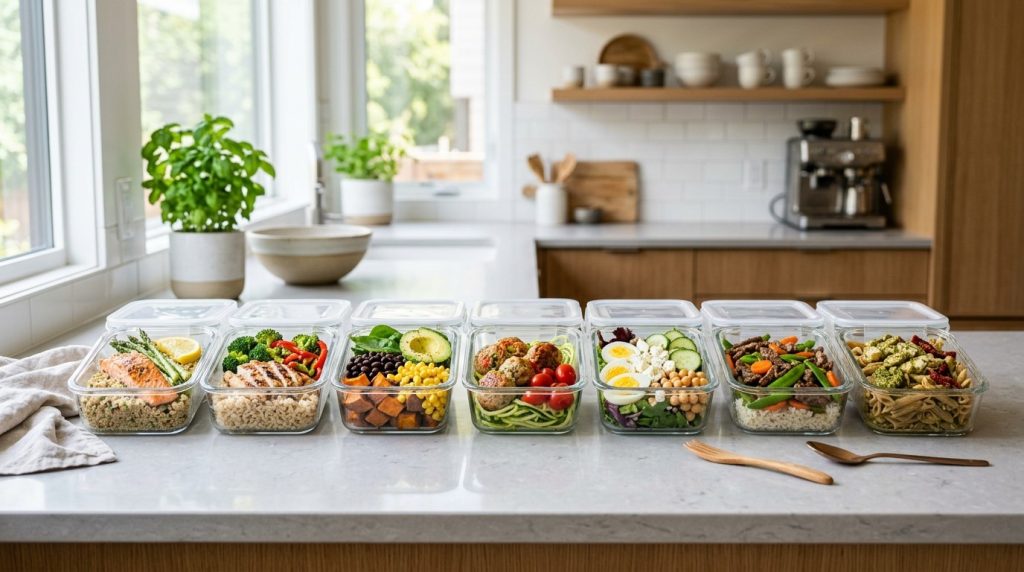
Dining out is a convenience tax. I spend two hours every Sunday prepping lunches for the week. This saves me roughly $12 a day. Over a work year, that is $3,000. That covers a huge chunk of a $100k roadmap. Plus, you’ll likely be healthier.
19. Find a “Money Buddy”

Accountability changes everything. Find a friend with similar goals. We text each other when we are tempted to blow money on something stupid. Having someone to celebrate the $10k, $20k, and $50k milestones makes the journey less lonely.
20. Reinvest All Dividends
When your savings start making money, don’t touch it. Set your accounts to “DRIP” (Dividend Reinvestment Plan). Let that interest buy more shares or stay in the account to earn more interest. Compound interest is a slow burn that turns into a wildfire around year four.
21. Summary of the $100k Roadmap

Reaching $100k isn’t about one lucky break. It is about these twenty habits working in unison. You need to control your housing, fix your food costs, and automate your growth. Starting in 2026 gives you a fresh timeline to master your cash flow. If you stay consistent, the first $50k is the hardest. The second $50k happens much faster because your money starts helping you work.
22. Frequently Asked Questions
Can I really save $100k in 5 years?
Yes. It requires saving roughly $1,666 a month. While that sounds high, the interest you earn and the side income you build reduce the amount you need to take from your primary paycheck. If you earn 5% interest, your monthly contribution drops significantly as your balance grows.
What if I have a low income?
Focus on the “Side Income” and “Housing” steps first. You cannot save what you don’t earn, so increasing your value in the marketplace is step one. Use the “no spend” weekends to free up time for learning a new skill that pays more.
Should I invest or just save in a bank?
For a five-year goal, a mix is best. Keep your emergency fund in a high yield savings account. Put the rest into a diversified index fund. The market has risks, but it is the fastest way to hit a six-figure goal.
How do I stay motivated for 20 steps?
Don’t try all 20 today. Pick three this week. Master them. Add two more next month. Saving is a muscle. If you try to lift the heaviest weight on day one, you will quit. Start small and watch the numbers grow.
23. Conclusion
The path to $100,000 is paved with boring choices. It is the choice to cook at home, the choice to keep the old phone, and the choice to check your spreadsheet when you want to quit. In 2026, you have more tools than ever to track and grow your wealth. This roadmap works if you work it. Stop waiting for the “perfect” time to start. The perfect time was yesterday. The second best time is right now.

James Mitchell is the founder and sole creator behind Logic and Liquidity. With a deep passion for both finance and interior design, James manages every aspect of the website—from writing in-depth blog posts to handling strategy, operations, and content creation. His mission is to help homeowners see their spaces through a financial lens, proving that great design is a smart investment.