

Six months ago, Sarah sat at her kitchen table with a $40 watercolor set and a stack of blank cardstock. She wasn’t looking for a career change; she just needed a way to quiet her mind after long shifts as a dental hygienist. By the third month, her “quiet time” paintings of local wildflowers were selling for $75 a piece on Instagram. Last month, she cleared $2,400 in profit. The transition from a relaxing pastime to a genuine income stream didn’t happen by accident, but it also didn’t require a business degree. Have you ever wondered why some people seem to monetize their joy effortlessly while others struggle to sell a single item? Are you ready to stop viewing your creative hours as “lost time” and start seeing them as an investment in your financial freedom?
Executive Summary
Turning your interests into income in 2026 requires a shift from generalist creations to niche authority. This guide covers 23 specific avenues where demand is currently outstripping supply, focusing on low-overhead entries that can scale. You will discover how to leverage platforms like Etsy, Stan Store, and specialized marketplaces to reach a global audience without spending a fortune on advertising. We cover everything from digital design to physical craftsmanship, with a realistic look at the $100 to $500 initial setup costs and the 5 to 10 hours per week needed to see traction. While we won’t cover high-risk financial trading or saturated dropshipping models, you will find actionable blueprints for hobby business ideas that build long-term equity.
1. Custom Digital Planners

Digital organization is no longer a niche interest; it is a necessity for the modern professional. Creating hyper-linked PDF planners for apps like GoodNotes or Notability allows for a “create once, sell forever” model. I’ve noticed that the most successful sellers focus on specific careers, such as planners specifically for travel nurses or real estate agents. A brand like The Daily Page has shown how simple, functional layouts often outperform cluttered, “aesthetic-only” designs.
To start, spend three days mastering the linking process in Keynote or Affinity Publisher. Your first version should be a basic 30-day “productivity sprint” layout to test the market. Setup costs are minimal if you already own a tablet, usually under $30 for software. A common mistake is trying to include 500+ stickers in your first listing; focus on the core functionality of the calendar first.
2. Gourmet Pet Treats

The pet industry remains recession-proof because people prioritize their furry companions over their own luxury spending. Baking organic, grain-free treats at home is a high-margin hobby for women at home. I once watched a local baker turn a Saturday morning farmers market stall into a $4,000-a-month subscription box service by focusing exclusively on “birthday cakes” for dogs. Use high-quality ingredients like pumpkin puree and almond flour.
Your immediate action is to research your local “cottage food laws” to ensure you can sell from your home kitchen. Branding is everything here—use eco-friendly packaging from a supplier like EcoEnclose. You can realistically expect a 70% profit margin per bag. Don’t ignore the “ugly” treats; sell them as discounted “training bits” to minimize waste.
3. Sustainable Soy Candles

Candle making is a classic craft to do at home, but in 2026, the money is in sustainability and “scent-scaping.” Consumers are moving away from paraffin toward soy and beeswax with wooden wicks. I’ve seen small creators succeed by naming their scents after specific feelings or literary settings rather than just “Vanilla.” Use a supplier like CandleScience for high-end fragrance oils that don’t smell synthetic.
Invest $150 in a starter kit with a pouring pitcher and a reliable thermometer. The trick to scaling is mastering the “cold throw”—how the candle smells when it isn’t lit. A practical tip is to source unique vessels from thrift stores to create a “limited edition” vintage line. Many beginners fail because they don’t test their wicks properly; always do a 4-hour burn test before selling.
4. Hand-Lettered Home Signage

Modern farmhouse decor might be evolving, but personalized home signage is evergreen. If you have a steady hand and a love for typography, painting custom quotes on reclaimed wood or acrylic is a lucrative hobby to sell. I’ve noticed that “nursery name signs” are currently the highest-performing category in this niche. Brands like Cricut or Silhouette can help with stencils if your freehand isn’t perfect yet.
Buy a high-quality set of Posca acrylic paint pens for $40 to get crisp lines. Your first project should be a sign for a friend’s wedding or baby shower to build your portfolio. Expect to spend 2 hours per sign with a retail price of $60 to $120. Don’t use cheap plywood; the grain will soak up the paint and make your work look amateur.
5. Miniature Clay Jewelry

Polymer clay jewelry is incredibly popular on Pinterest because it is lightweight and allows for infinite color mixing. This is a top choice for new projects ideas because the barrier to entry is so low. Successful artists like those at Common Era focus on architectural shapes and “stone effect” textures. You can create an entire collection on your dining room table.
Grab a toaster oven specifically for your clay work to avoid food contamination. Your first collection should follow a tight color palette of 3 to 4 shades. Marketing these requires high-quality “lifestyle” photos of the earrings being worn. A common error is not “conditioning” the clay long enough, which leads to brittle jewelry that breaks during shipping.
6. Specialized Plant Propagation

If you have a “green thumb,” you can turn rare plant cuttings into a hobby business. In 2026, collectors are hunting for variegated varieties like the Monstera Albo or Philodendron Pink Princess. I have seen hobbyists make $500 a week just by selling rooted cuttings in glass jars on Facebook Marketplace. Use Leca or high-quality sphagnum moss for faster rooting.
Start by investing in one “mother plant” of a sought-after variety. Use a simple grow light setup in a spare closet to accelerate growth during winter. This is a slow-burn hobby; it takes weeks for roots to establish. Be careful with shipping in extreme temperatures; heat packs are a non-negotiable expense for winter sales.
7. Virtual Yoga Instruction

Wellness is a massive industry, and niche yoga (like yoga for gamers or yoga for gardeners) is a growing market. If you already practice, getting a basic RYT-200 certification allows you to host paid Zoom sessions or sell pre-recorded “flows.” I’ve seen instructors use Patreon to build a community of 50 students paying $15 a month for exclusive content.
Your first step is to record a 10-minute “morning mobility” sequence and post it for free to gauge interest. You don’t need a professional studio; a clean corner of your living room with good natural light works best. Avoid using copyrighted music in your videos to prevent legal headaches. Many instructors burn out by trying to go live every day—start with two high-quality sessions a week.
8. Podcast Editing Services

With the explosion of “solopreneur” podcasts, many creators are desperate to outsource the technical side. If you enjoy playing with audio in software like Descript or Audacity, this is a high-demand skill. I’ve observed that editors who offer “show notes” and “social media clips” as part of their package can charge double the standard rate.
Offer to edit the first two episodes for a local creator for free in exchange for a testimonial. A typical 30-minute episode can be edited in about an hour once you have a workflow. This is a “time for money” hobby, but it can easily scale into an agency model. The biggest mistake is over-processing the audio until it sounds robotic; keep the natural “um” and “ah” sounds for authenticity.
9. Upscaled Vintage Furniture

Flipping furniture is one of the best hobbies for women who enjoy working with their hands. Taking a $20 dresser from a yard sale and giving it a “moody” coat of chalk paint can turn it into a $300 centerpiece. Brands like Annie Sloan or Dixie Belle offer excellent resources for beginners. I’ve noticed that “mid-century modern” pieces with original wood grain left visible are currently selling the fastest.
Invest in a high-quality synthetic brush and a palm sander for under $100 total. Your first piece should be a small nightstand to practice your technique without getting overwhelmed. Transportation is the biggest hurdle; ensure you have access to a vehicle that can move larger items. Don’t skip the “prep” phase—painting over dirt or old wax will cause the finish to peel within weeks.
10. Punch Needle Embroidery

Punch needle is the “instant gratification” version of traditional embroidery. It creates a thick, rug-like texture that is perfect for pillows, wall hangings, and coasters. It’s a very Pinterest-friendly hobby because of its tactile nature. Check out Oxford Punch Needle for the gold standard in tools. I’ve seen creators sell “DIY kits” containing their original patterns and yarn, which often sells better than the finished pieces.
Start with a small 6-inch hoop and some bulky wool yarn. A set of four coasters can be completed in an afternoon and sold for $45. This hobby is very easy on the joints compared to knitting. A common mistake is not stretching the “monk’s cloth” tight enough on the frame, which causes uneven loops.
11. Freelance Photography Backdrops

Product photographers are always looking for unique, textured surfaces for their shoots. Creating hand-painted “backdrops” on canvas or wood panels is a niche but profitable hobby. I’ve seen artists use plaster and salt to create “stone” effects that sell for $150 per board to food bloggers. Look at Replica Surfaces for inspiration on what the market currently desires.
Buy a large roll of heavy-duty canvas and experiment with “sponging” techniques using sample-sized paint cans from Home Depot. Each backdrop takes about 30 minutes of active work but requires 24 hours to dry. Shipping can be expensive due to the size, so many creators focus on “digital backdrops” that photographers can use in Photoshop. Avoid using glossy paint; the reflection will ruin the photographer’s lighting setup.
12. Organic Herb Gardening

Selling fresh, organic herbs or “starter kits” to city dwellers is a fantastic way to monetize a gardening hobby. In 2026, people are obsessed with “cocktail gardens” (mint, basil, rosemary). I’ve seen hobbyists sell beautiful cedar planter boxes pre-filled with herbs for $120 at local markets. Use Baker Creek Heirloom Seeds for unique varieties that people can’t find at big-box stores.
Start small by growing 50 seedlings in your windowsill or garage. This hobby requires very little financial investment—mostly just soil, seeds, and time. Your biggest challenge will be timing the growth so everything is ready for the spring rush. Don’t forget to include a “care card” with every sale; people are more likely to buy if they feel confident they won’t kill the plant.
13. Personalized Gift Baskets

Curating themed gift baskets for corporate clients or “new moms” is a service-based hobby that thrives on your eye for detail. I’ve noticed that the most successful “basket” businesses actually use high-end boxes or reusable totes instead of wicker. Use a platform like Shopify to manage your inventory of local artisanal goods.
Reach out to three local makers (jam, soap, candles) and ask for a wholesale discount to include their items in your boxes. Your profit comes from the “curation fee” and the markup on the individual items. Expect to spend $200 on initial inventory. A common pitfall is including too much “filler” like crinkle paper; keep the focus on the high-quality products.
14. Seasonal Wreath Making

Wreaths are no longer just for Christmas. There is a year-round market for “spring florals,” “autumn harvest,” and even “minimalist hoop wreaths.” I’ve seen creators on Etsy make a full-time living by focusing on “everlasting” dried flowers rather than plastic ones. Use a supplier like Afloral for high-quality silk or dried stems.
Buy a bulk pack of grapevine bases to keep your costs low. A stunning wreath takes about 45 minutes to assemble and can retail for $85 to $150. Your marketing should focus on “door appeal”—take your photos on a real front door in natural light. Don’t use hot glue for everything; floral wire is much more durable for outdoor items that face the wind.
15. Digital Art Commission

If you love drawing on your iPad, selling custom “pet portraits” or “faceless family illustrations” is a high-demand hobby. In 2026, people want unique art for their homes that feels personal but modern. I’ve seen artists use Procreate to turn a photo into a minimalist line drawing in under 30 minutes, charging $40 per file.
Set up a simple landing page or an Etsy shop to showcase your style. Your “practical action” is to offer a “limited time” discount to the first five people who provide a high-quality photo for you to draw. This is a zero-overhead hobby once you have the hardware. The biggest mistake is over-detailing; the “faceless” or “minimalist” trend is popular because it fits into any home decor style.
16. Niche Travel Planning

If you are the person who spends 20 hours researching the best hidden cafes in Paris, you can sell your itineraries. People are tired of generic “Top 10” lists and want curated “3-day foodie guides” or “budget-friendly solo female travel” plans. I’ve seen travelers sell PDF guides for $15 to $25 on Gumroad.
Take one trip you’ve already been on and turn your notes into a beautiful, 10-page PDF guide with links to Google Maps pins. This is a great way to earn passive income from your past vacations. The challenge is keeping the information updated; check your links every six months. Don’t try to be a general travel agent—pick one city or one type of travel (like “national parks”) and own it.
17. Custom Crochet Apparel

Crochet has seen a massive resurgence, especially among younger generations looking for “slow fashion.” Creating made-to-order “checkered vests” or “balaclavas” is a great way to sell your work. I’ve noticed that “pattern selling” is actually more profitable than selling the finished items because you don’t have to spend hours on labor for every sale. Use Ravelry to host your digital patterns.
Buy a high-quality set of ergonomic hooks to prevent hand fatigue. If you’re selling finished pieces, your “action” is to time yourself so you know exactly what your hourly rate is. Many crocheters undercharge, essentially working for $2 an hour. A contrarian note: don’t follow every trend; find a unique “stitch style” that makes your work instantly recognizable.
18. Online Language Tutoring
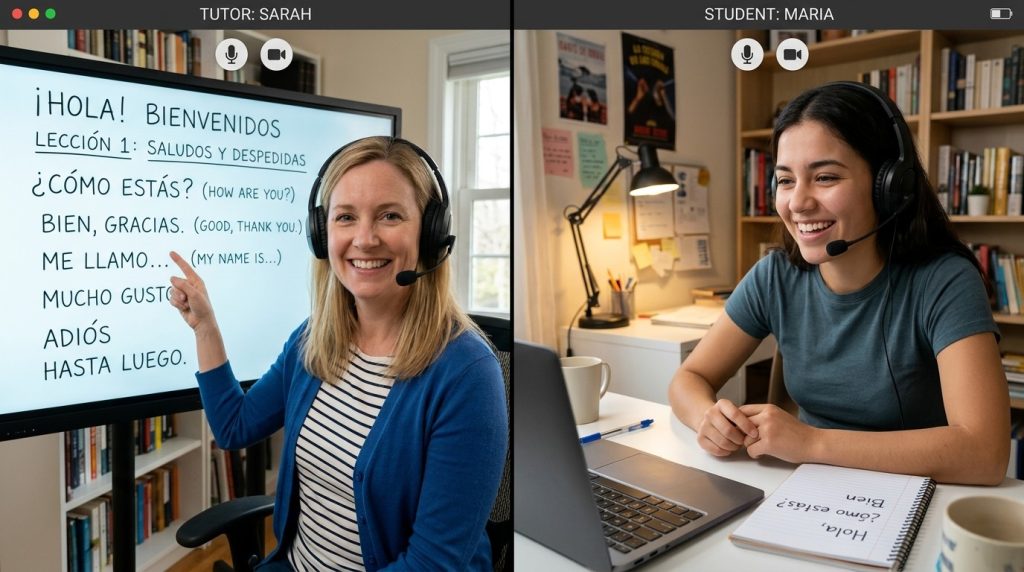
Being fluent in a second language (or even just English) is a marketable hobby. Platforms like italki or Preply allow you to set your own rates and schedule. I’ve seen people specialize in “conversational business English” or “Spanish for healthcare workers,” which allows them to charge $30+ per hour instead of the standard $15.
Create a 2-minute “intro video” that showcases your personality and teaching style. You only need a laptop and a decent headset. This is a very flexible hobby that can be done from anywhere. A common mistake is trying to teach “grammar” like a school teacher; most adult learners just want to practice speaking naturally.
19. Resin Art Decor

Resin art allows you to “preserve” things—flowers from a wedding, sand from a honeymoon, or even just colorful pigments in a tray. In 2026, “ocean wave” resin art on cheese boards is a top seller. Use a high-quality, non-toxic resin like ArtResin. I’ve seen creators make $200 per board by adding personalized laser engraving to the wood.
You must work in a well-ventilated area and wear a respirator—this is a non-negotiable safety cost of about $50. Your first project should be a set of simple coasters to learn how resin “levels” itself. Humidity is your enemy; never pour resin on a rainy day or in a damp basement. Most beginners fail because they don’t mix the two parts for the full 3 minutes, resulting in a sticky mess.
20. Smart Home Consultation
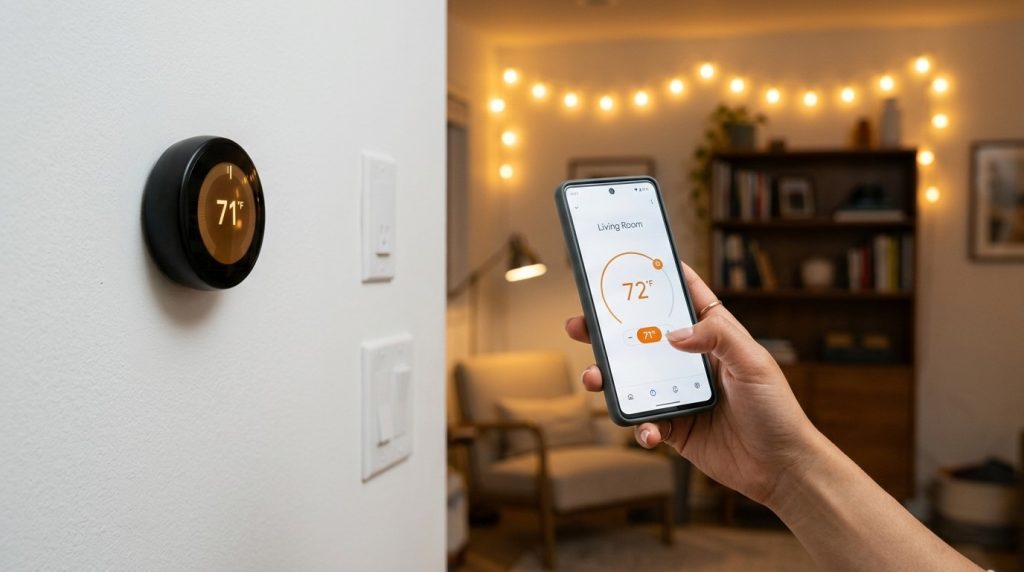
If you are the “techie” friend who has every lightbulb and thermostat connected to your phone, you can charge for your expertise. Many people want a “smart home” but are intimidated by the setup and security. I’ve seen hobbyists charge a $200 “consultation fee” to design a system and then an hourly rate to install it. Focus on brands like Lutron or Ecobee for reliability.
Create a “security and savings” package that shows how smart devices can lower energy bills and protect the home. Your first client should be a neighbor or family member so you can take “before and after” photos of their cluttered wires turned into a sleek system. The catch here is “tech support”—make sure you set boundaries so they aren’t calling you at 10 PM because their lights won’t turn on.
21. Bread Baking Workshops

The “sourdough craze” never really ended; it just moved into the “education” phase. If you’ve mastered the art of the crusty loaf, you can host “starter workshops” in your home or a local community center. I once saw a baker sell “sourdough kits” (starter, jar, and flour) for $50 alongside her $100 class.
Start a “bread diary” on social media to show your process and the mistakes you’ve made. This builds trust before you ever ask for a sale. Your main cost will be bulk flour and parchment paper. The challenge is the “live” element; bread takes time to rise, so you have to have “one I prepared earlier” ready for the class.
22. Soap Making Kits

Handmade soap is a lovely hobby, but selling “experience kits” is where the 2026 market is moving. People want to try the hobby without buying $200 worth of supplies. I’ve seen creators sell “Melt and Pour” kits that include pre-measured scents, botanicals, and molds for $45. Check Bramble Berry for the best kit inspiration.
Design a beautiful, instructional booklet to go inside your kit. This adds “perceived value” that allows you to charge more. You can assemble these kits on your living room floor while watching TV. A common mistake is using cheap “craft store” fragrances that can cause skin irritation; always stick to cosmetic-grade oils.
23. Personal Brand Photography

With everyone starting a “side hustle,” the demand for professional-looking headshots and “lifestyle” photos for social media is at an all-time high. If you have a decent DSLR and an eye for lighting, you can charge $150 for a “mini-session.” I’ve noticed that photographers who offer “content days” (shooting 30 days of social media photos in 2 hours) are booking out months in advance.
Create a “mood board” for your clients before the shoot so you are both on the same page regarding the vibe. You don’t need a studio; local parks, cafes, or even a well-lit living room work perfectly. Your biggest investment is time spent in editing software like Lightroom. Don’t over-edit the skin; people in 2026 value “real” over “perfect.”
Frequently Asked Questions
Which of these hobbies has the lowest startup cost?
Digital products like travel planning, digital art commissions, and digital planners have the lowest barrier to entry. If you already own a computer or tablet, your costs are essentially zero. You are selling your time and expertise rather than physical materials. For physical hobbies, herb gardening and hand-lettering are the most budget-friendly, often requiring less than $50 to get your first “product” ready for sale.
How much time should I realistically commit each week?
To see a financial return, you should aim for 5 to 10 hours of focused work per week. This isn’t just “doing the hobby,” but also managing your shop, taking photos, and responding to customers. In my experience, those who treat it like a “job” for two hours every evening tend to see success much faster than those who “binge-work” for 10 hours once a month.
Do I need a business license to sell my hobby items?
This depends entirely on your local and state laws. Generally, if you are selling food products (like pet treats) or items for human skin (like soap), you will need to follow specific “cottage food” or cosmetic regulations. For digital products or simple crafts, you can often start as a “sole proprietorship,” but it is always worth spending 30 minutes on your city’s official website to check for a “home occupation” permit.
Is Etsy still the best place to sell in 2026?
Etsy is a powerful search engine, but it is crowded. While it is great for getting your first few sales without an audience, the highest-earning hobbyists eventually move to their own websites via Shopify or Squarespace. This allows you to keep more of your profit and own your customer email list. I suggest starting on Etsy to “prove the concept” and then migrating once you are making more than $500 a month.
How do I price my items without feeling guilty?
Many women struggle with “imposter syndrome” when pricing their work. A simple formula is: (Cost of Materials) + (Hours Spent x Your Desired Hourly Wage) + (20% for overhead/growth). If that number feels too high, you need to find ways to make your process more efficient, not lower your wage. Remember, people aren’t just buying a “thing”; they are buying your unique eye, your skill, and the time you saved them.
What if I’m not “expert” enough to teach or sell?
You don’t need to be the best in the world; you just need to be two steps ahead of the person you are helping. If you can bake a loaf of bread that tastes better than the grocery store’s, you are an “expert” to someone who has never touched flour. Real authority comes from being helpful and honest about your journey, not from having a fancy degree in your craft.
Can I really make a full-time living from a hobby?
While many people use these as “side hustles” for an extra $500 a month, many of these categories (especially pet treats, candles, and digital planners) have “uncapped” potential. Transitioning to full-time usually happens when you move from “making everything yourself” to “creating systems” or selling digital versions of your craft. It takes time—usually 12 to 24 months of consistent effort.
Conclusion
The path from a simple interest to a profitable venture is paved with small, consistent actions rather than one giant leap. Whether you choose to master the art of sustainable candle making or help others organize their lives through digital planners, the key is to start before you feel “ready.” I’ve seen how small changes like these can completely transform a person’s financial landscape and, more importantly, their sense of purpose. In 2026, the world values the human touch and the authentic story behind a product more than ever. Take one idea from this list that sparkled for you today and commit to making your first $100 with it. Save this post on Pinterest so you can come back to these ideas when you’re ready for your next project, and share this with a friend who needs a little nudge to start her own hobby business journey.