
Introduction
Social media has completely transformed how people earn a living. What started as a way to share vacation photos and stay in touch with old friends has become one of the most powerful economic engines of the 21st century. In 2026, making money on social media is no longer reserved for celebrities with millions of followers — everyday people are building sustainable, full-time incomes from their phones and laptops, right from their living rooms.
Whether you are a creative professional eager to monetize your skills, an entrepreneur ready to launch a business, or simply someone looking for a side income, the opportunities available on social media platforms today are vast and varied. From making money on Instagram through brand deals to launching a social media management business, the digital economy is wide open.
This guide walks you through 15 proven ways to make money on social media in 2026. Each method is actionable, scalable, and backed by real strategies that are working right now. By the end of this article, you will have a clear roadmap to start earning — or to grow what you are already doing. You can also explore more resources on our digital income strategies hub for deeper dives into each topic.
Executive Summary
Social media monetization in 2026 spans a wide spectrum — from content creation and freelancing to digital product sales and agency-level services. The 15 strategies outlined in this article cover both beginner-friendly entry points and advanced income streams for experienced digital professionals. Key highlights include:
- Making money on Instagram through sponsored posts, affiliate marketing, and digital product sales remains one of the highest-earning opportunities for creators.
- Building a social media management business allows you to earn recurring monthly revenue by managing accounts for brands and small businesses.
- Offering a social media course or virtual class creates passive income and positions you as an authority in your niche.
- Selling photography and other digital assets on social platforms opens doors to global buyers.
- Learning how to get clients and find clients systematically is the core skill that separates thriving freelancers from those who struggle.
- Creating a professional portfolio site is a non-negotiable step for anyone offering social media management services or creative work.
Each of the 15 strategies below is covered with practical steps, platform recommendations, and income potential so you can decide which paths are the best fit for your skills and goals.
1. Making Money on Instagram as a Content Creator

Instagram remains a dominant platform for creators in 2026. Making money on Instagram typically involves a combination of brand sponsorships, affiliate marketing, digital product sales, and the platform’s native monetization tools like Subscriptions and Broadcast Channels. To get started, focus on a specific niche — fitness, finance, food, travel, beauty — and build a consistent posting rhythm.
Micro-influencers (accounts with 5,000 to 50,000 followers) are particularly in demand among brands because their audiences are highly engaged. Even with a modest following, you can command $100–$500 per sponsored post in a well-defined niche. The key is building trust with your audience first; income follows authentically once that foundation is in place.
2. Launch a Social Media Management Business

One of the most scalable ways to earn from social media is to start a social media management business. Businesses of every size — restaurants, real estate agents, law firms, e-commerce brands — need someone to manage their social presence, but most do not have the time or expertise to do it themselves. This creates a massive market for skilled social media managers.
A social media management business can start lean: just you, a laptop, and a handful of clients. Over time, you can hire contractors and scale into a full agency. Monthly retainers typically range from $500 to $3,000+ per client depending on the scope of work. With five clients at $1,000 each, you are earning $5,000 per month — a solid full-time income. Check out our in-depth guide on building a social media agency for a step-by-step breakdown of the business model.
3. Offer Social Media Management Services as a Freelancer

If running a full business feels premature, you can start by offering social media management services as a freelancer. Platforms like Upwork, Fiverr, and LinkedIn are excellent places to list your services and attract initial clients. As a freelancer, you handle tasks like content creation, scheduling, community management, analytics reporting, and paid advertising for clients.
The difference between freelancing and running a business is mainly scale and structure. Freelancers typically work independently with one to three clients, while agency owners manage teams. Starting freelance is a smart way to build experience, testimonials, and confidence before scaling up.
4. Sell a Social Media Course Online

If you have real experience managing social media, creating content, or growing accounts, consider packaging that knowledge into a social media course. Online courses are a powerful income stream because they sell while you sleep — once built, a course generates passive revenue with minimal ongoing effort.
Platforms like Teachable, Kajabi, and Thinkific make it easy to host and sell your course. You can price courses anywhere from $47 for a beginner-level module to $997+ for a comprehensive program with community support. Marketing the course through Instagram, YouTube, and TikTok is a natural fit since your content doubles as proof of your expertise.
5. Host a Virtual Class or Live Workshop

A virtual class is a lower-barrier entry point than a full course. You can host live workshops on Zoom, Instagram Live, or LinkedIn Live and charge attendees a fee. Topics can range from ‘How to Grow Your Instagram in 30 Days’ to ‘Content Batching Masterclass for Busy Entrepreneurs.’
Live workshops create urgency and interactivity that pre-recorded courses cannot replicate. Many creators charge $27–$197 per virtual class and host them monthly or quarterly. You can also record and repurpose them as digital products, creating multiple revenue streams from a single session. Learn more about structuring online workshops on our digital products resource page.
6. Selling Photography on Social Media and Stock Platforms

Photographers and visual artists have a tremendous opportunity through selling photography directly on Instagram, Pinterest, and through linked stock photo platforms like Adobe Stock, Shutterstock, or Etsy. Instagram and Pinterest function as visual storefronts — posting your best work consistently attracts buyers and licensing inquiries.
You can sell prints (physical), digital downloads, or license your images for commercial use. Social media is the marketing engine, while your website or a platform like Printful handles fulfillment. Many photographers are also finding success selling preset packs, Lightroom templates, and photography guides directly to their followers.
7. Become a Brand Affiliate and Earn Commissions

Affiliate marketing is one of the oldest online income models, and it works exceptionally well in 2026 through social media. You promote a product using a unique affiliate link or code; when someone purchases through your link, you earn a commission — typically 5% to 50% depending on the product category.
Amazon Associates, ShareASale, Impact, and individual brand affiliate programs are all accessible to creators of any size. The key to affiliate success on social media is authenticity — only promote products you genuinely use and believe in. Your audience will sense inauthenticity quickly, and trust, once lost, is difficult to rebuild.
8. Sell Digital Products Through Your Social Media Channels

Digital products — eBooks, templates, Notion dashboards, Canva graphics, spreadsheets, checklists — are among the most profitable things you can sell online because they cost nothing to reproduce. Once created, a digital product can be sold thousands of times with zero additional effort.
Instagram, TikTok, and Pinterest are ideal platforms for marketing digital products. Use short-form video to demonstrate value, link your bio to a simple checkout page (Gumroad or Payhip work great), and let the content do the selling. Many creators generate $2,000–$10,000 per month selling $9–$49 digital products at volume.
9. Build a Portfolio Site to Win Higher-Paying Clients
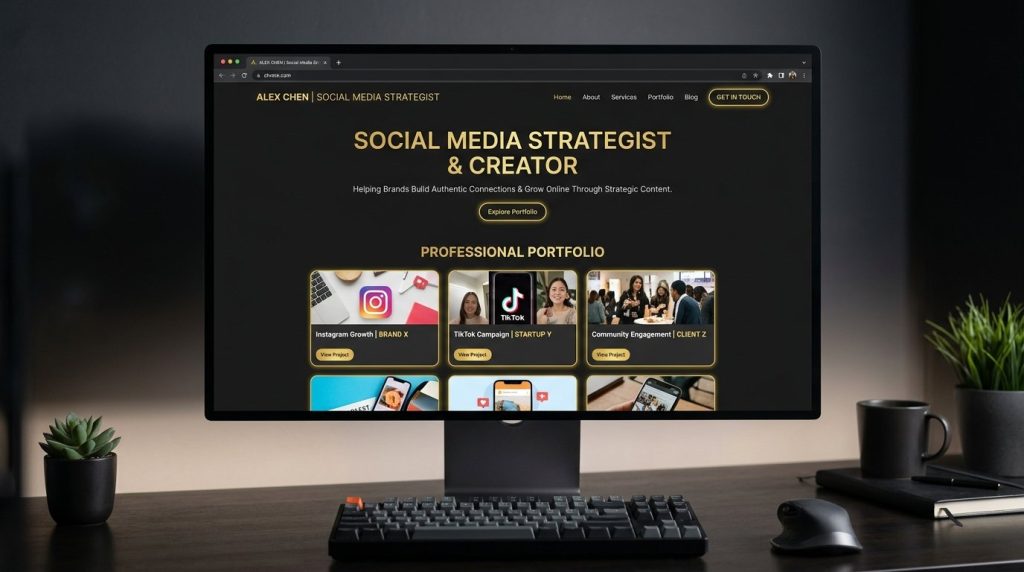
Whether you offer social media management services, photography, content writing, or any other creative skill, a professional portfolio site is essential in 2026. Social media profiles are excellent for visibility, but a dedicated website establishes credibility and gives prospects a central place to review your work, read client testimonials, and contact you.
Platforms like Squarespace, Wix, and WordPress make it easy to launch a polished portfolio site in a weekend. Include a clear services page, case studies with real results (even from personal or pro-bono projects), and a simple contact form. Your portfolio site and your social presence should work together — use social media to drive traffic to the site, and use the site to convert visitors into paying clients. Visit our guide on how to build a freelance portfolio for detailed advice.
10. Master How to Get Clients Using LinkedIn

LinkedIn is the most powerful B2B platform in the world, and knowing how to get clients through it is a career-changing skill for freelancers and agency owners alike. Start by optimizing your LinkedIn profile with a professional headshot, a compelling headline, and a summary that clearly communicates who you help and how.
Then begin creating content: share insights about social media strategy, post case studies of client results (with permission), and engage thoughtfully with posts in your target industry. Consistent LinkedIn activity builds visibility with decision-makers who are actively looking to hire. Direct outreach — personalized, non-spammy connection requests followed by genuine conversation — is also highly effective when done respectfully.
11. Use Social Media to Find Clients for Your Service Business

Beyond LinkedIn, every social media platform offers ways to find clients if you approach it strategically. Facebook Groups are particularly valuable — there are thousands of groups for small business owners, entrepreneurs, and startup founders who regularly post requests for freelancers and service providers.
Instagram hashtag research can help you identify businesses in your target niche that have weak social media presence — those are your ideal prospects. Twitter/X and Reddit communities are also great for listening to pain points and positioning your services as a solution. The key is to lead with value, not with a pitch. Be helpful first; the business opportunities will follow naturally.
12. Monetize YouTube Through Ad Revenue and Brand Deals

YouTube remains one of the most lucrative social media platforms for long-form content creators. Once you reach 1,000 subscribers and 4,000 watch hours, you qualify for the YouTube Partner Program and can earn ad revenue. CPM (cost per thousand views) varies by niche, but educational, finance, and business content often commands $10–$30 CPM.
Beyond ads, YouTube creators monetize through brand sponsorships, channel memberships, merchandise shelves, and Super Thanks donations. Successful YouTubers in 2026 treat the platform as a business, reinvesting early revenue into better equipment and content production to accelerate growth.
13. Launch a Paid Community or Subscription Newsletter
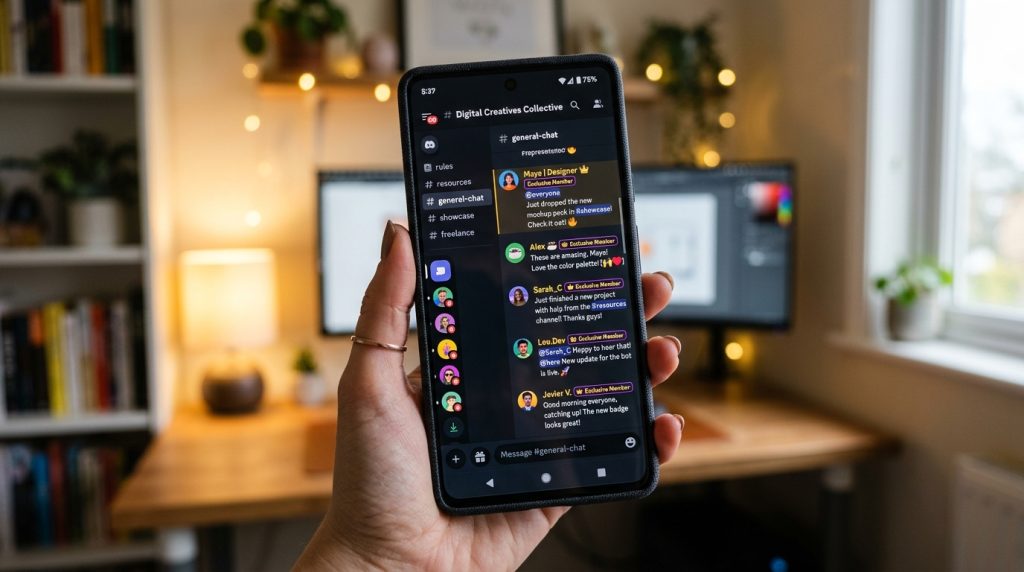
Paid communities are booming. Platforms like Patreon, Discord, Geneva, and Substack allow creators to charge a monthly subscription fee for exclusive content, community access, live Q&As, or premium newsletters. This model creates predictable, recurring income — a financial stability that ad revenue and brand deals cannot match.
Use your public social media channels to give people a taste of your expertise and personality for free, then invite your most engaged followers into a paid community for deeper access and more personalized interaction. Even 100 members paying $29/month generates nearly $3,000 in monthly recurring revenue.
14. Offer Social Media Consulting and Strategy Sessions

If you prefer working directly with people rather than managing accounts day-to-day, social media consulting is a high-value path. Consultants advise clients on strategy, audit their existing presence, develop content calendars, and provide training — but leave execution to the client’s internal team. This model commands hourly rates of $75–$250+ depending on experience and specialization.
Strategy sessions can be booked through Calendly and paid upfront via Stripe or PayPal, making the logistics simple. Position yourself through your content as someone who has results to show, and consulting inquiries will come to you organically as your authority builds.
15. Dropship or Sell Products Using Social Commerce Features
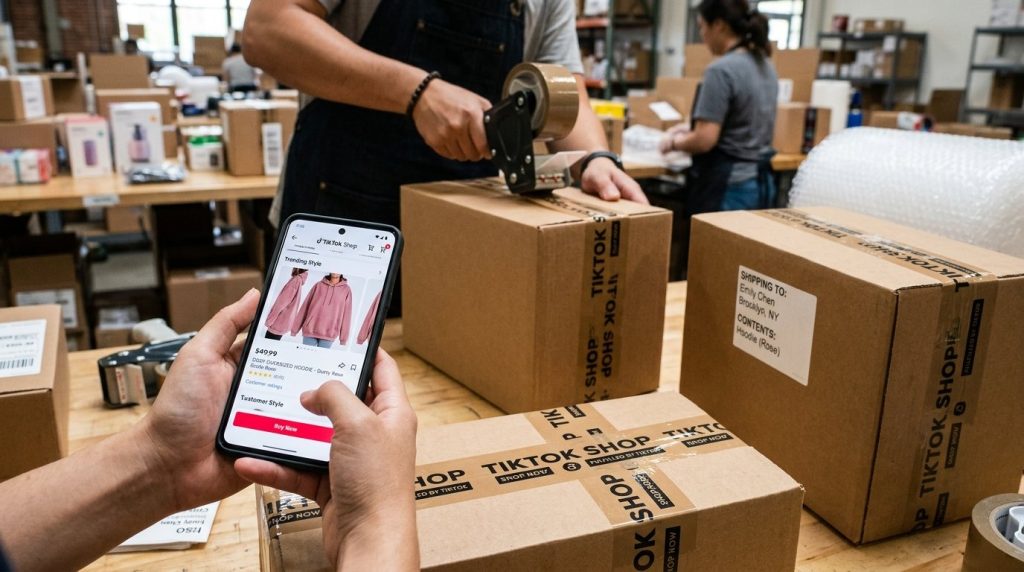
Social commerce — selling products directly within social platforms — has matured dramatically by 2026. Instagram Shop, TikTok Shop, and Pinterest Shopping allow you to list products and process transactions without the buyer ever leaving the app. Whether you sell your own handmade goods, print-on-demand merchandise, or dropshipped products, social commerce removes friction from the buyer’s journey.
Building a brand around a product niche on social media and then converting followers into customers through in-app shopping is a proven model that combines the best of e-commerce and content marketing. Our full guide on setting up a TikTok Shop walks through the entire setup process step by step.
Frequently Asked Questions (FAQs)
How many followers do I need to start making money on Instagram?
You do not need a massive following to start making money on Instagram. Many creators with as few as 1,000 to 5,000 highly engaged followers earn income through affiliate marketing, digital product sales, and small brand deals. The quality of your engagement — comments, saves, shares — matters far more than raw follower count. Brands and clients are increasingly interested in micro-influencers because their communities are tight-knit and trust-driven.
What skills do I need to start a social media management business?
To start a social media management business, you need a working knowledge of major platforms (Instagram, Facebook, LinkedIn, TikTok), a basic understanding of content strategy and copywriting, familiarity with scheduling tools like Buffer or Hootsuite, and the ability to analyze performance metrics. You do not need formal qualifications, but investing in a reputable social media course can accelerate your learning curve and build credibility with early clients.
How do I find clients for social media services if I am just starting out?
When you are starting out, the most effective ways to find clients are through your existing network, Facebook Groups for small business owners, LinkedIn outreach, and freelancing platforms like Upwork or Fiverr. Offer a discounted rate or a free audit to your first one or two clients in exchange for a testimonial. Once you have proof of results, finding clients becomes significantly easier because you have social proof working in your favor.
Do I need a portfolio site before I start pitching clients?
A portfolio site is not strictly required to land your very first client — you can begin by sharing your work on LinkedIn or as a PDF deck. However, as soon as possible, you should build a professional portfolio site. It dramatically improves your credibility and conversion rates during the sales process. Prospects who visit a polished website with case studies and testimonials are far more likely to reach out than those who only see a social media profile.
Is selling photography on social media profitable in 2026?
Yes, selling photography on social media remains profitable in 2026, especially for photographers who build a consistent brand around a specific style or niche — such as travel, food, architecture, or lifestyle. Revenue comes from multiple channels: print sales, digital downloads, commercial licensing, stock platforms, and photography presets. Instagram and Pinterest are the most effective platforms for driving visibility and sales for visual artists.
How much can I charge for a social media course?
Pricing a social media course depends on its depth, your credibility, and the results it promises. Beginner courses covering fundamentals typically sell for $47–$197. Intermediate courses with more strategy and implementation guidance range from $197–$497. Advanced courses, masterminds, or programs that include live coaching and community support can be priced from $497 up to $2,000 or more. Start with a lower price point for your first launch to gather testimonials, then raise it as your proof of concept grows.
Conclusion
Making money on social media in 2026 is less about luck and more about strategy, consistency, and choosing the right income stream for your skills and lifestyle. Whether you are drawn to the creative side — making money on Instagram, selling photography, or teaching a virtual class — or the business side — building a social media management business, offering social media management services, or launching a social media course — there is a viable path that fits where you are right now.
The most important step is to start. Pick one or two of the strategies in this guide that align most closely with your existing skills and interests. Build your portfolio site, begin reaching out using the how-to-get-clients strategies outlined above, and commit to showing up consistently on the platforms where your ideal clients or audience spends time.
Success on social media rarely happens overnight, but with focused effort, the right knowledge, and a clear plan, you can realistically be earning from social media within 30 to 90 days. Explore more resources on our social media income strategies page and our freelancing starter guide to keep building your momentum. The digital economy rewards those who take action. Start today.

James Mitchell is the founder and sole creator behind Logic and Liquidity. With a deep passion for both finance and interior design, James manages every aspect of the website—from writing in-depth blog posts to handling strategy, operations, and content creation. His mission is to help homeowners see their spaces through a financial lens, proving that great design is a smart investment.