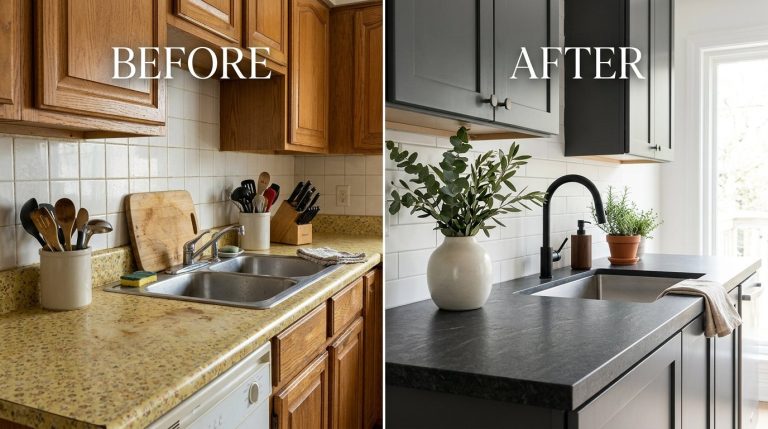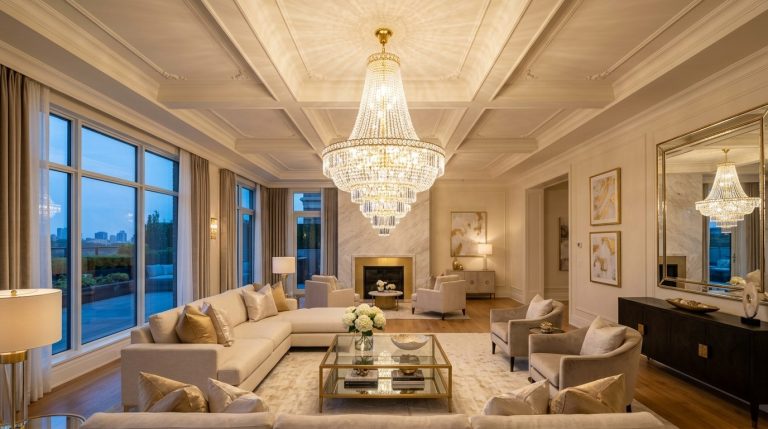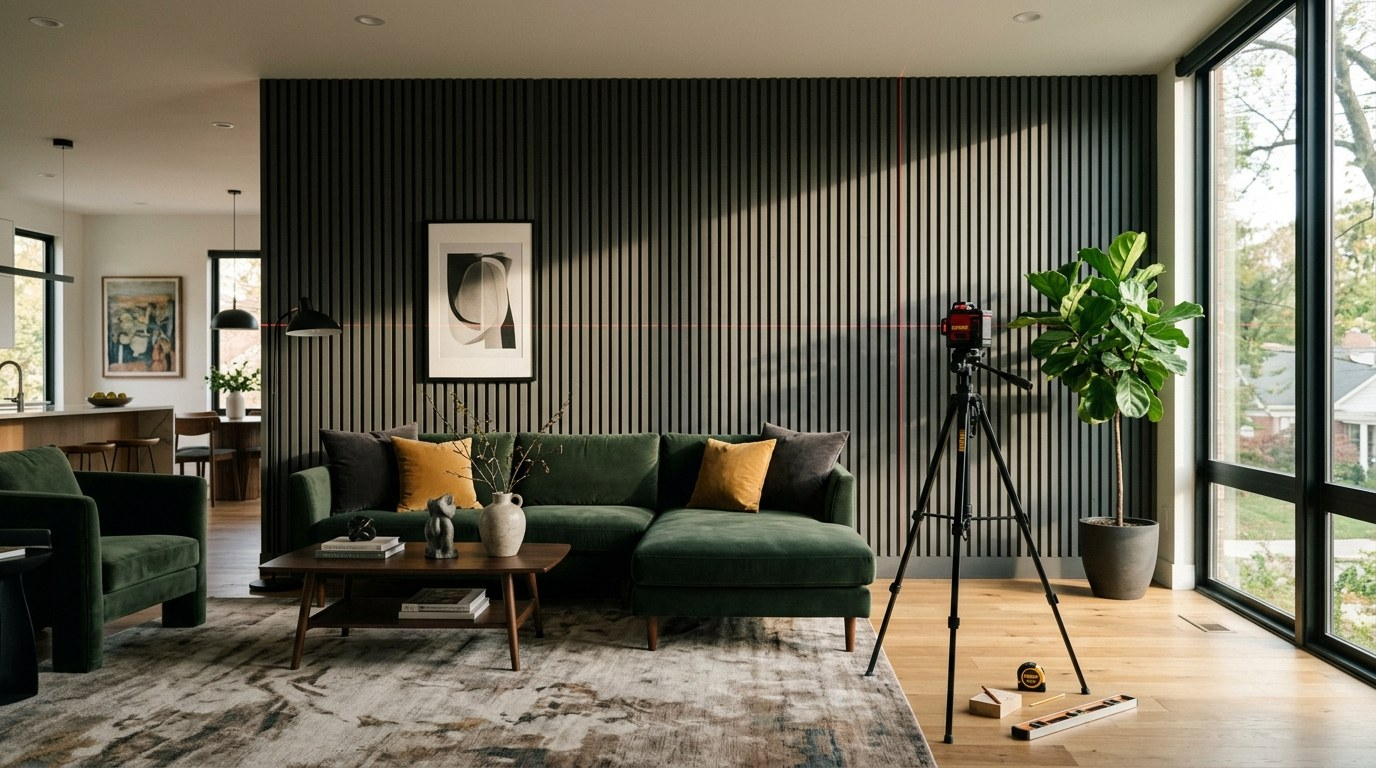
Whether you are looking to sell your home or simply want to refresh your sanctuary, the living room is the ultimate starting point. Most homeowners assume that a “luxury look” requires a $10,000 contractor bill and weeks of dust. However, the secret to high-end design lies in the strategic use of a living room accent wall. By focusing your budget and energy on a Single Wall Design, you can create a massive visual impact while keeping your renovation costs under $500. This is the smartest financial move in interior design: maximizing the “wow factor” while minimizing the square footage of material costs.
In this guide, we aren’t just looking at paint colors. We are diving into structural beauty, from Wall Board Design to the warmth of Textured Wood Walls. An accent wall isn’t just a decoration; it’s a psychological anchor for the room. It directs the eye, frames your furniture, and can even make a small space feel double its size. Let’s explore how you can use professional Wall Elevation Design techniques to transform your home into a designer showpiece on a “real-world” budget.
Executive Summary
This blog provides a comprehensive roadmap for creating a high-impact living room accent wall without breaking the bank. We analyze 18 unique approaches, including Wall Board Design, Hall Back Wall Design, and the use of an Arch On Wall to create architectural interest. We break down the costs of Panel Design Wall projects and explore the cozy aesthetic of Textured Wood Walls. Readers will find actionable advice on Decorative Wall Ideas For Living Room, financial breakdowns of DIY vs. professional installation, and tips on how to integrate Wall Elevation Design into any Wall House layout. Our goal is to help you achieve a $5,000 aesthetic for under $500.
1. The Financial ROI of a Single Wall Design

When you decide to renovate, every dollar needs to work hard. Painting or paneling an entire room can be expensive and labor-intensive. A Single Wall Design, however, allows you to splurge on premium materials—like high-end wallpaper or reclaimed wood—because you only need enough to cover 100 square feet instead of 400. Real estate data suggests that a well-executed accent wall can increase a home’s appraisal value significantly because it creates a memorable “feature” that sticks in a buyer’s mind. It is the definition of high-leverage home improvement.
2. Elevating Your Space with Wall Board Design
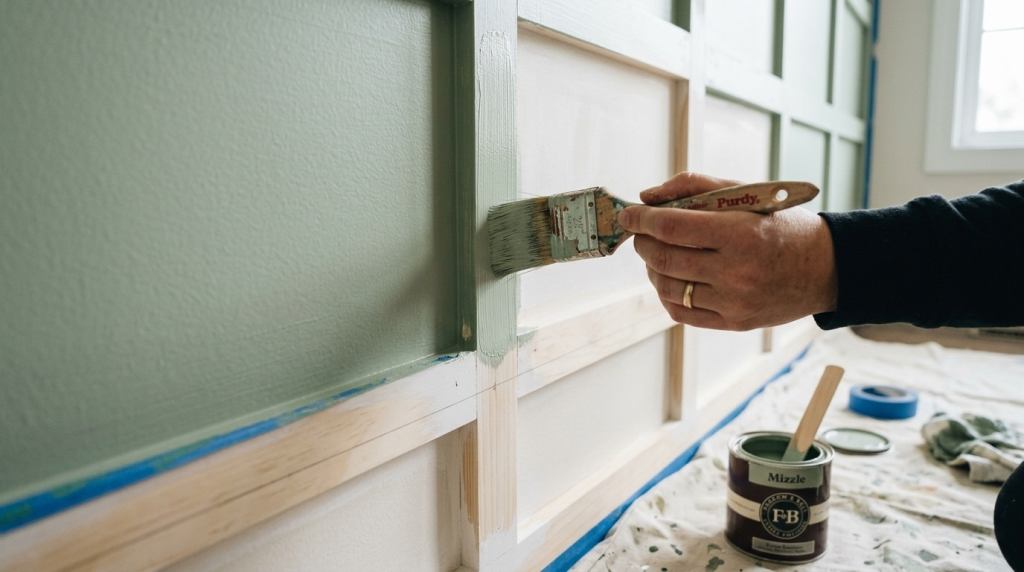
Wall Board Design, often referred to as wainscoting or board and batten, is a classic way to add “architectural soul” to a new-build home. By using inexpensive MDF boards and some construction adhesive, you can create a grid pattern that mimics the look of a historic estate. The cost for a standard 12-foot wall is often less than $150 in materials. This technique adds depth and shadow lines that paint alone cannot achieve, making your living room feel grounded and expensive.
3. Creating Focus with Hall Back Wall Design

In many modern homes, the Hall Back Wall Design serves as the primary focal point of the entire open-plan living area. This is typically the wall behind the television or the main sofa. To make this wall pop, consider “color drenching”—painting the wall, the baseboards, and even the shelving in the same deep, matte tone. This creates a seamless, “built-in” look that hides wires and clutter, turning a functional space into a curated gallery.
4. The Modern Appeal of Panel Design Wall Styles

If you follow interior design trends, you’ve likely seen the rise of the Panel Design Wall, specifically the “slat wall” look. Using thin strips of oak or walnut spaced evenly apart creates a rhythmic, linear aesthetic that feels incredibly modern. While pre-made panels can be pricey, you can DIY this for under $200 by buying raw wood strips and staining them yourself. This adds a tactile, 3D element to the room that absorbs sound and looks stunning under warm evening lighting.
5. Warmth and Character with Textured Wood Walls

There is a biological reason why we love Textured Wood Walls. Wood brings “biophilic” elements into the home, which are proven to lower stress levels. You don’t need to strip a 100-year-old barn to get this look. Many retailers now offer “peel and stick” reclaimed wood planks. For a Wall House that feels a bit cold or clinical, a wood accent wall provides the necessary organic warmth to balance out modern furniture. Budget roughly $5 to $10 per square foot for high-quality real wood veneers.
6. Architectural Interest via an Arch On Wall

You don’t need to hire a mason to get an arch. An Arch On Wall can be achieved through clever painting or lightweight drywall kits. A painted arch is a fantastic way to frame a specific piece of furniture, like a sideboard or a bar cart. It breaks up the “boxy” feeling of most living rooms and introduces soft, feminine curves. If you want a more permanent look, a recessed drywall arch with hidden LED strips can create a high-end “museum” feel for about $300 in materials.
7. Professional Impact through Wall Elevation Design

Wall Elevation Design is the art of looking at your wall as a 3D object rather than a 2D surface. This involves varying the heights and depths of your wall features. For example, combining a stone hearth with a recessed wood-paneled TV niche. By planning the elevation, you create “pockets” of visual interest. This is a favorite trick of luxury hotel designers to make rooms feel more dynamic. [Internal Link: Understanding 3D Interior Spaces].
8. Innovative Decorative Wall Ideas For Living Room
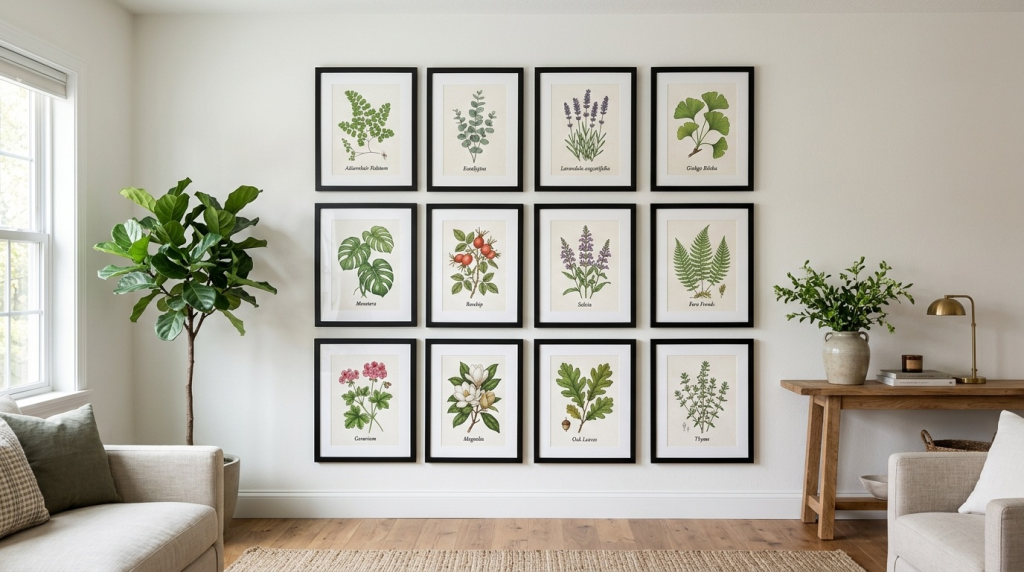
Sometimes, the best living room accent wall isn’t built—it’s curated. Decorative Wall Ideas For Living Room can include a floor-to-ceiling “grid” of identical frames, a massive oversized canvas, or even a collection of vintage rugs hung as tapestries. The key to making this look “intentional” rather than “cluttered” is consistency. If you use frames, make sure they are all the same color and spaced exactly 2 inches apart. This precision signals to the brain that the wall was “designed,” not just “decorated.”
9. Designing for the Modern Wall House Aesthetic
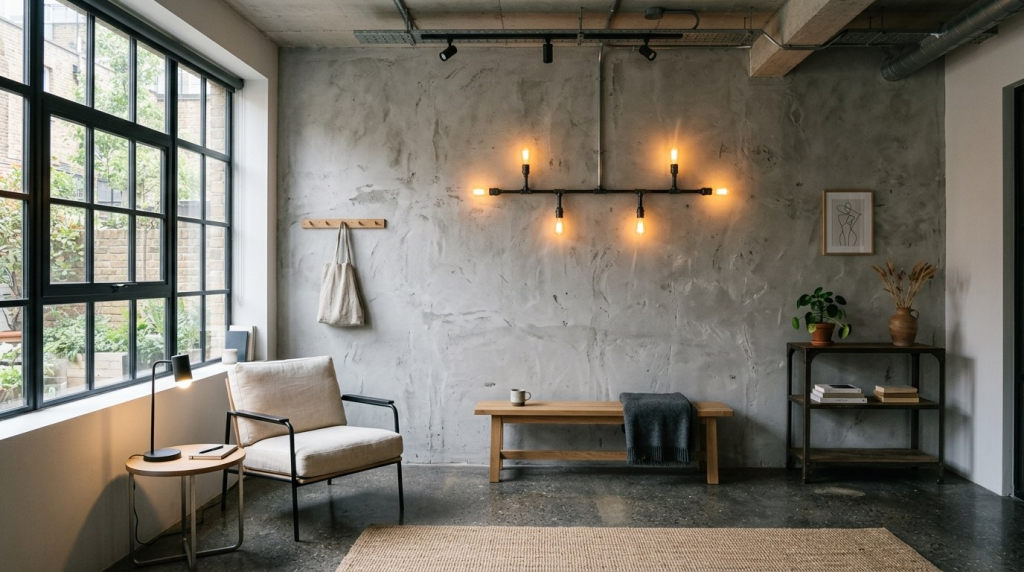
The concept of a Wall House—where the architecture itself is defined by prominent, sculptural walls—is a rising trend in 2026. This aesthetic favors “raw” materials like concrete-effect plaster or large-format porcelain tiles. While real concrete is heavy and expensive, you can achieve a “Venetian Plaster” look for under $100 using specialized putty and a trowel. This creates a cool, industrial vibe that acts as a perfect backdrop for vibrant, colorful furniture.
10. The 60-30-10 Rule for Accent Walls
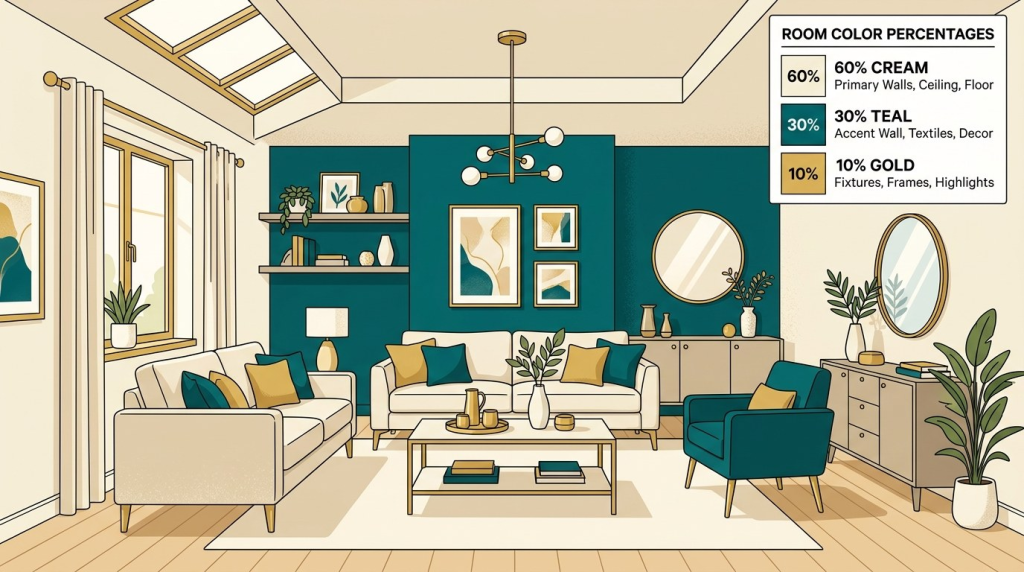
To ensure your living room accent wall doesn’t feel out of place, follow the 60-30-10 rule. 60% of your room should be your primary color, 30% your secondary (the accent wall), and 10% should be your “pop” color found in cushions or art. By using your Single Wall Design as the “30%,” you create a balanced environment. If your accent wall is a deep navy, ensure that at least two other small items in the room (like a vase or a throw) are also navy to “thread” the color through the space.
11. Cost-Benefit Analysis: Wallpaper vs. Paint

Many homeowners struggle between wallpaper and paint for their Hall Back Wall Design. Let’s look at the math:
- Premium Paint: $70 per gallon + $30 tools = $100 total.
- High-End Wallpaper: $150 per roll (needs 2) + $50 adhesive = $350 total.
While wallpaper is 3x more expensive, it provides patterns and textures that paint cannot mimic. However, for those on a strict budget, a “stenciled” paint wall can provide the look of wallpaper for the price of a gallon of paint.
12. Using Mirrors to Double Your Space
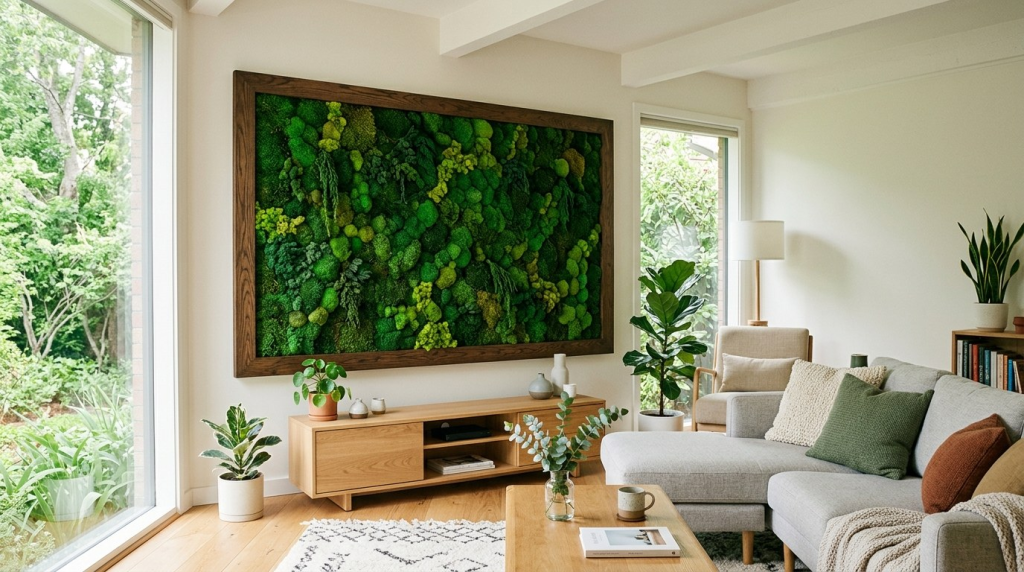
If your living room is small, your Single Wall Design should involve glass. A “grid” of beveled mirrors covering an entire wall can make a 200-square-foot room feel like a 400-square-foot ballroom. This is a classic “luxury apartment” hack. It bounces light into dark corners and provides a sense of endless depth. You can buy mirrored tiles for about $15 each, meaning a small accent section can be completed for roughly $180.
13. Lighting: The Secret Ingredient of Wall Elevation Design
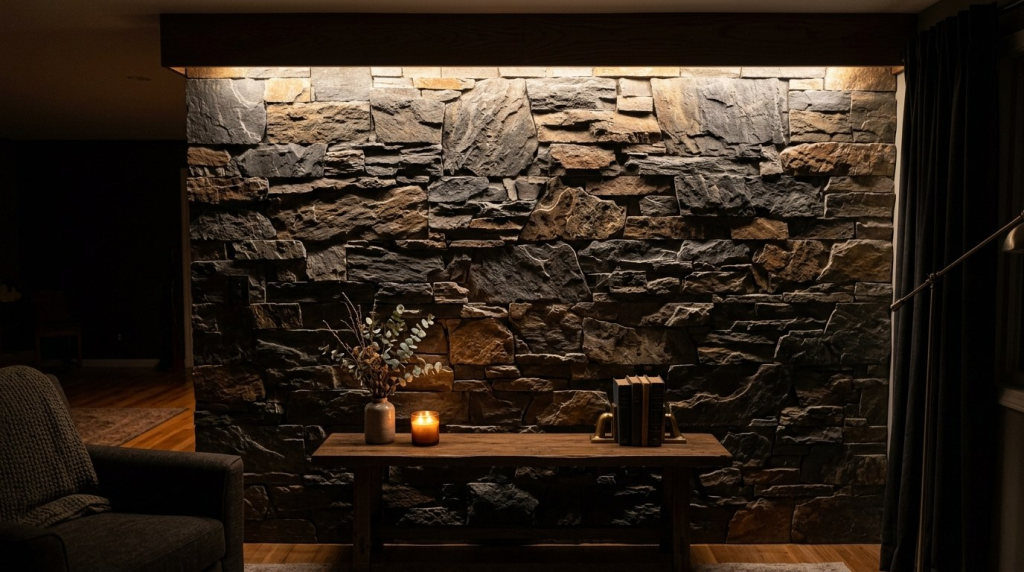
Your Wall Elevation Design will only look as good as the light hitting it. To make a Panel Design Wall truly pop, you need “grazing” light—light that hits the wall from a sharp angle to highlight the shadows. Installing a $40 LED “cove” strip at the top of the wall can make a DIY project look like a professional installation. Always choose “warm” LEDs (2700K) to ensure the textures look inviting rather than clinical.
14. Creating a “Living Wall” with Vertical Gardens
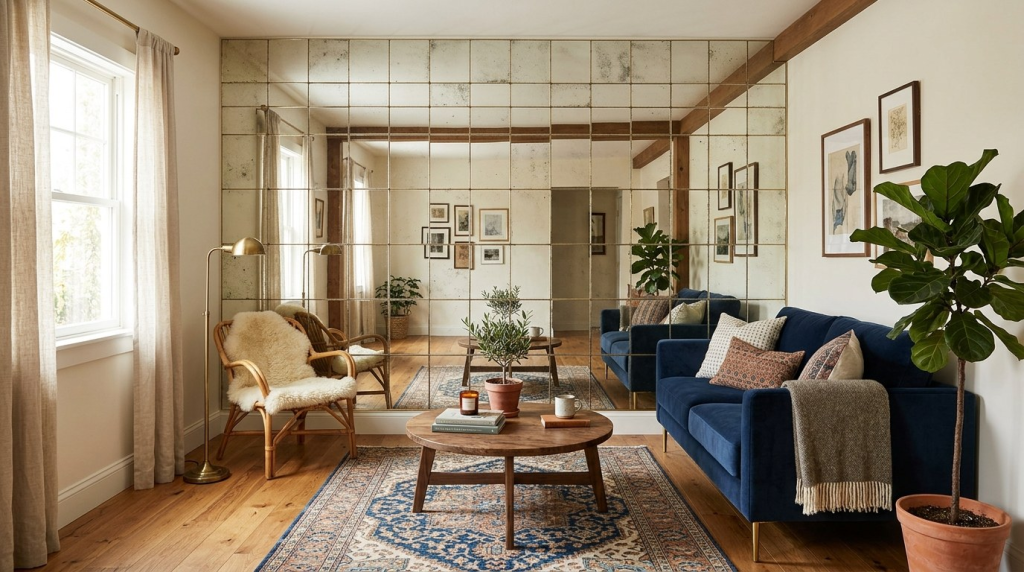
In 2026, the ultimate living room accent wall is literally alive. Vertical gardens or “moss walls” are massive trends for eco-conscious homeowners. A preserved moss wall requires zero maintenance and acts as a natural sound dampener. While a professional moss wall can cost $1,000+, you can buy bulk preserved moss and a frame for $200 and create your own Decorative Wall Ideas For Living Room that will be the talk of every guest.
15. The Psychology of Dark Accent Walls

Don’t be afraid of black or charcoal for your Hall Back Wall Design. Dark colors actually “recede” from the eye, which can make a wall feel further away than it actually is. This creates a “sense of infinity.” A dark wall is also the best backdrop for a television, as it allows the screen to blend into the background when turned off, rather than looking like a “black hole” on a white wall.
16. Seasonal Updates for Your Accent Wall
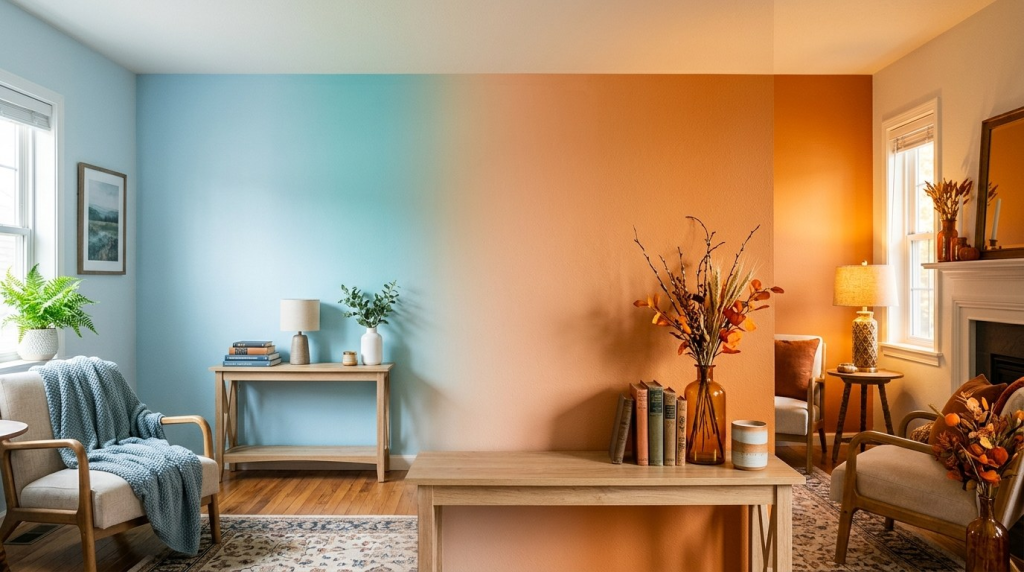
The beauty of a Single Wall Design is that it is easy to change. If you have a Wall Board Design, you can change the color of that one wall every two years for just $50. This allows you to keep up with color trends (like the 2026 “Sunset Terracotta” trend) without having to repaint your entire home. It’s a low-risk way to experiment with bold fashion choices.
17. Stone Veneers for an Old-World Wall House Feel
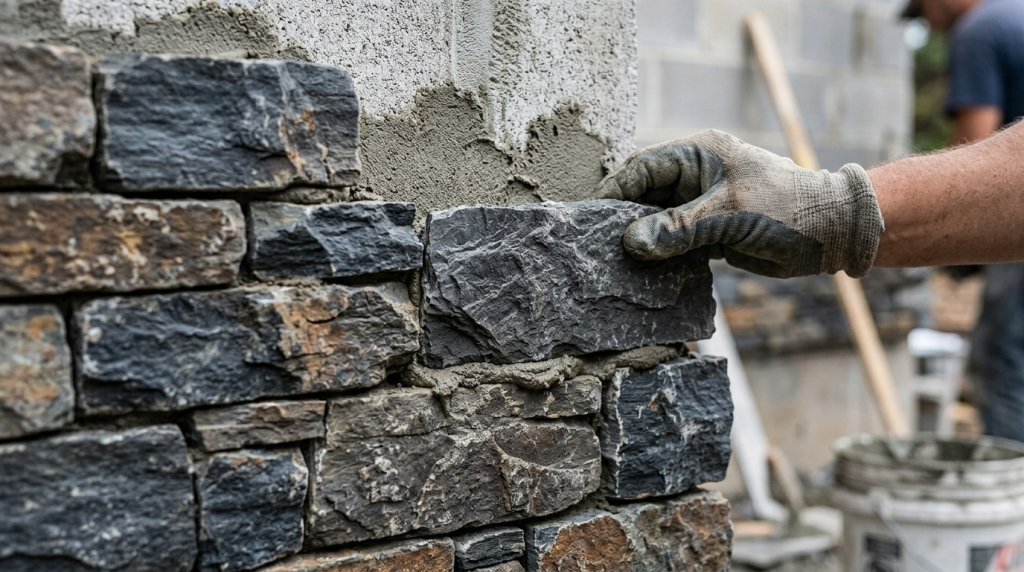
For a truly permanent and rugged look, stone veneers are unbeatable. Modern “lick-and-stick” stone tiles are thin enough that they don’t require structural reinforcement. Covering a chimney breast or a central Wall Elevation Design with slate or limestone creates a sense of “permanence” that drywall lacks. This is a premium upgrade that can cost around $400 for a small section but adds immense character.
18. DIY Mastery: Avoiding Common Mistakes

The biggest mistake in a DIY living room accent wall is improper prep.
- The “Gap” Rule: Always leave a 1/16th inch gap between wood panels to allow for seasonal expansion.
- The “Level” Rule: Never trust your ceiling or floor to be straight. Use a laser level for your Wall Board Design. By spending an extra $20 on a good level and some sandpaper, you ensure your $500 project doesn’t look “homemade.”
FAQs
Does an accent wall make a room look smaller?
Quite the opposite! A Single Wall Design in a dark or vibrant color can create “depth,” making the wall appear further away. If you use mirrors or a Panel Design Wall with vertical lines, it can also make the ceilings feel higher.
Which wall should be the accent wall in a living room?
The best choice is usually the “focal wall”—the one your eyes naturally gravity toward when entering the room. This is typically the Hall Back Wall Design where the TV is mounted or the wall behind the primary sofa.
Can I have two accent walls?
Generally, no. Having two competing accent walls can make the room feel “choppy” and visually confusing. Stick to one Single Wall Design to maintain a clear sense of balance and intent.
Is shiplap still in style for 2026?
Standard horizontal shiplap has evolved. In 2026, we see more “Vertical Shiplap” or Textured Wood Walls with varied plank widths. It’s a more modern, sophisticated take on the farmhouse classic.
Conclusion
The living room accent wall is the ultimate design tool for the modern homeowner. It bridges the gap between high-end architecture and budget-friendly DIY projects. Whether you choose the structured elegance of Wall Board Design, the organic warmth of Textured Wood Walls, or the sleek lines of a Panel Design Wall, you are making a strategic investment in your home’s value and your daily happiness. By focusing your resources on one Single Wall Design, you can achieve a transformation that looks like a million dollars—or at least saves you $1,000 on your next renovation.

James Mitchell is the founder and sole creator behind Logic and Liquidity. With a deep passion for both finance and interior design, James manages every aspect of the website—from writing in-depth blog posts to handling strategy, operations, and content creation. His mission is to help homeowners see their spaces through a financial lens, proving that great design is a smart investment.