Last Tuesday I stood in the checkout line at a local Kroger. The woman in front of me watched the total climb to three hundred dollars for three bags of food. Her face went pale as she swiped her card. I knew that feeling. Two years ago I spent nine hundred dollars a month for just two people. I felt like my bank account had a leak I could not plug. Everything changed when I stopped shopping with my heart and started shopping with a system.
The grocery store is designed like a maze to make you spend more money. From the smell of fresh bread at the door to the candy at the register, it is a trap. Most people lose hundreds of dollars every month because they lack a plan. You can stop the bleed today. I managed to cut my bill from nine hundred dollars to four hundred dollars without eating bland food. These habits are the exact steps I used to reclaim my budget. You will learn how to reduce grocery bill totals while still eating fresh and healthy meals every night.
1. Shop Your Pantry Before You Go
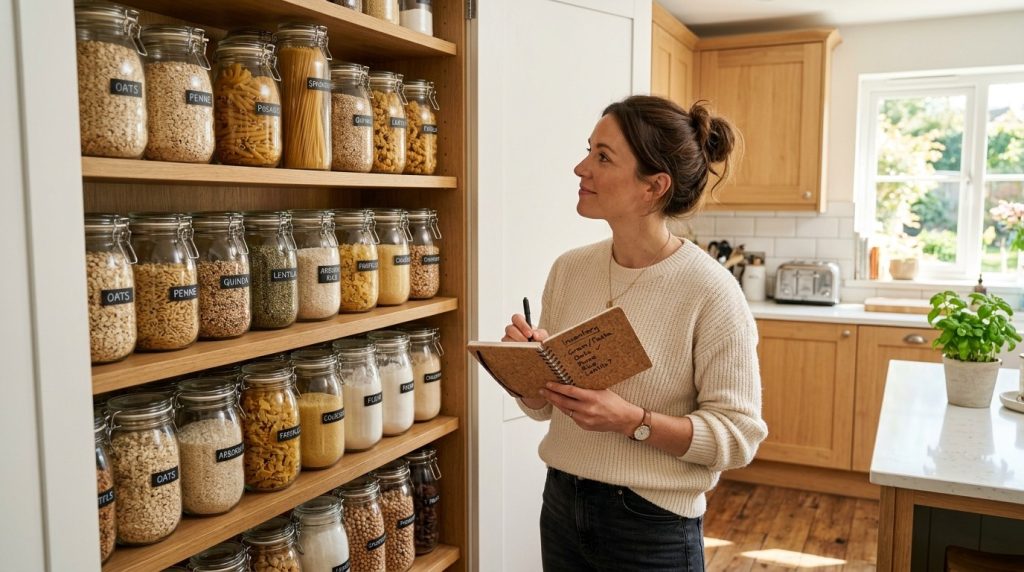
Most people start a grocery list by thinking about what they want to eat. This is a mistake that leads to clutter and waste. I started a habit called the Sunday Shelf Scan. I spend ten minutes looking in the back of my cupboards and the bottom of my freezer. Last month I found three jars of marinara sauce hiding behind a bag of flour. I almost bought a fourth jar.
Checking your inventory prevents duplicate purchases. It also forces you to use what you already own. I call this shopping from your own home. If you have pasta and a can of tuna you only need a lemon and some parsley. Your list becomes smaller and your bill drops. I saw my weekly spending go down by fifteen dollars just by doing this one task. It keeps your kitchen organized and your wallet full.
2. Master the Art of Unit Pricing

The big red sale signs in the aisle are often a distraction. A large box of cereal might look like a deal because it says family size. However the smaller box is often cheaper per ounce. I learned to ignore the main price and look at the tiny number on the shelf tag. This is the unit price. It tells you exactly what you pay for every pound or ounce of the product.
In my experience store brands almost always win the unit price battle. I compared a name brand peanut butter to the Walmart Great Value version. The name brand was four dollars for sixteen ounces. The store brand was three dollars for eighteen ounces. By checking the unit price I saved over twenty cents per ounce. Over a year of shopping these small wins add up to hundreds of dollars in savings. Always bring your phone to use as a calculator if the shelf tag is missing info.
3. Buy Only What Is in Season
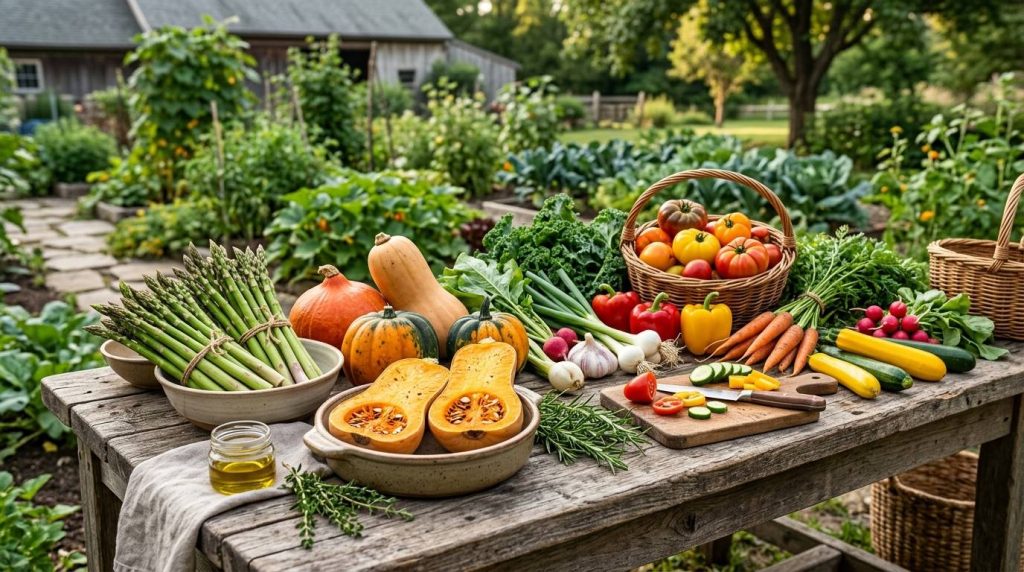
Eating strawberries in January is a luxury that costs too much. They travel thousands of miles and taste like water. I shifted my diet to follow the calendar. In the spring I buy asparagus and peas. In the fall I stock up on squash and apples. Seasonal produce shopping is the easiest way to get the best nutrition for the lowest price.
Stores lower prices on seasonal items because they have too much stock. Last October I bought ten pounds of gala apples for five dollars. In June those same apples would cost fifteen dollars. I have noticed that seasonal food also lasts longer in the fridge. It is fresher and has not spent weeks on a truck. You get more flavor and less waste. If you want a specific fruit out of season buy it frozen instead. Frozen fruit is picked at peak ripeness and usually costs half the price.
4. Use the Power of Bulk Wisely
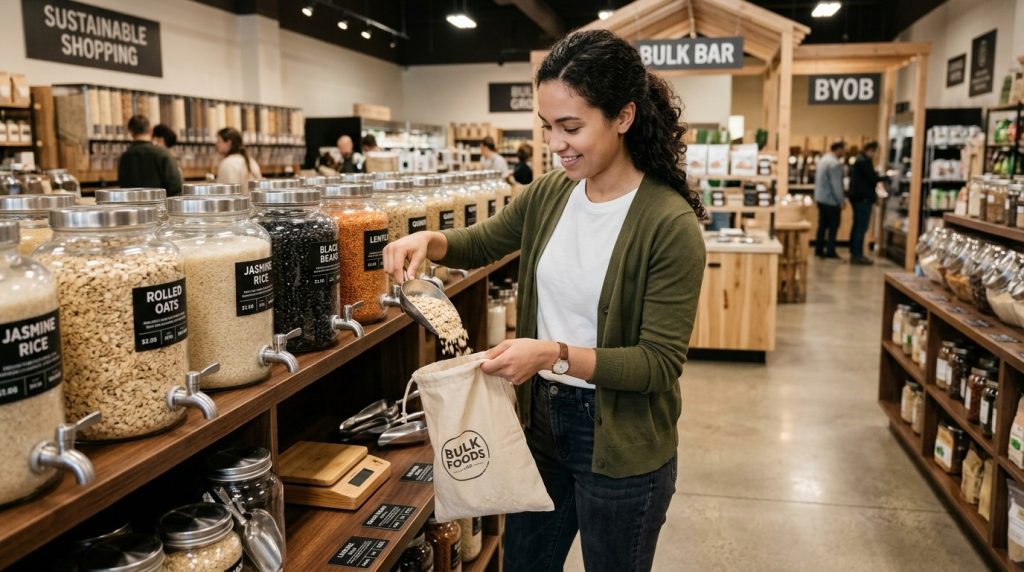
Buying in bulk can be a double edged sword. I used to go to Costco and buy a five pound bag of spinach because it was a great price. I ended up throwing half of it away because it turned into green slime before I could eat it. Now I only buy shelf stable items or heavy use items in bulk. Rice and beans and oats are perfect for bulk buying.
I keep a large glass jar of steel cut oats that I buy from the bulk bins at WinCo. It costs me about sixty cents a pound. The pre packaged boxes cost nearly four dollars a pound. That is a massive difference for the same food. I also buy toilet paper and laundry soap in bulk. These items never go bad. If you buy meat in bulk make sure you have a plan to freeze it in small portions. Never buy something in bulk just because the price is low if you do not have space to store it.
5. Embrace Store Brands Without Fear

Many people think store brands are lower quality. I found that most store brands are actually made in the same factories as the big names. I did a blind taste test with my family using Kirkland Signature coffee from Costco. They could not tell the difference between it and a premium brand. The only real difference was the price tag.
Store brands like Kroger Simple Truth or Aldi Specialty Selected offer organic options for less. I save about twenty percent on my total bill just by reaching for the black and white labels. I tried this with canned beans and spices and pasta. The results were the same every time. The food tasted great and the savings were huge. I suggest trying one store brand item each week to see if you like it. You will likely find very few reasons to go back to the expensive names.
6. Create a Budget Friendly Meal Plan
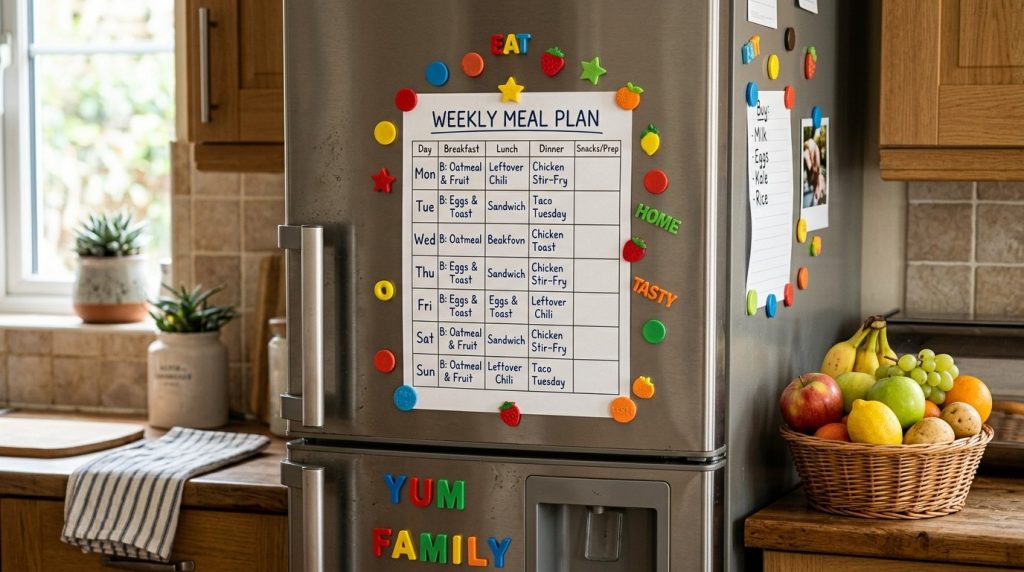
Walking into a store without a plan is a recipe for overspending. I used to wander the aisles and grab whatever looked good. I ended up with a cart full of snacks but nothing to make for dinner. Now I use a simple grid to plan five meals for the week. I leave two nights for leftovers or simple eggs and toast.
Budget friendly meal planning means choosing recipes with overlapping ingredients. If I buy a large bag of spinach I use it for salads on Monday and in pasta on Wednesday. This reduces the number of items I need to buy. I found that meal planning saves me about two hours of stress every week. I no longer ask what is for dinner at five o clock. I already know. This habit keeps me out of the drive thru line on busy nights. It is the foundation of a healthy cheap grocery shopping routine.
7. Stop Using a Cart for Small Trips
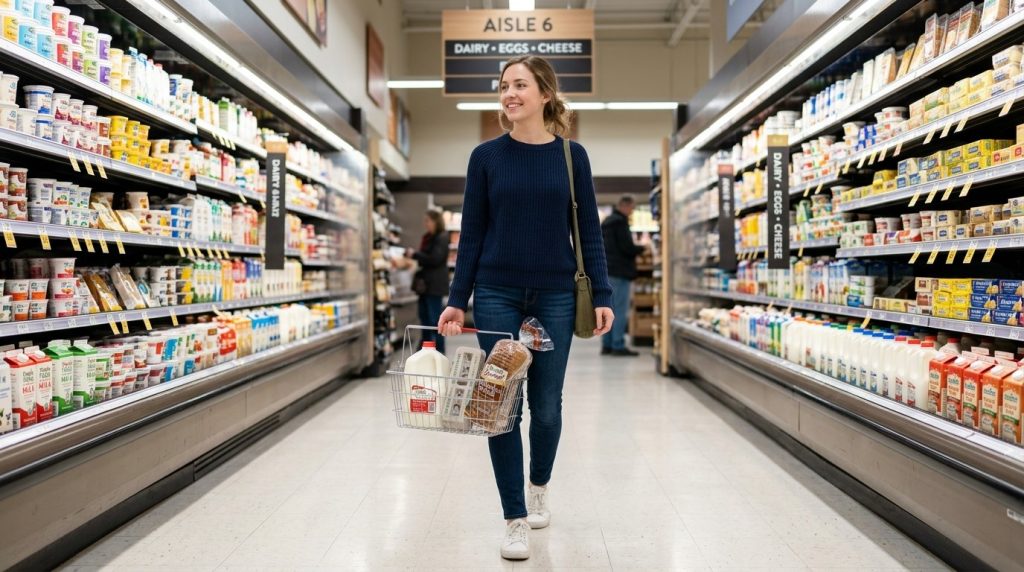
If I only need milk and eggs I do not grab a cart. I use my hands or a small basket. A large cart creates a psychological urge to fill the empty space. I have seen people walk in for one item and leave with ten because they had a cart to hold them. Using your hands limits what you can carry. It forces you to be fast and focused.
I tried this last Thursday when I needed coffee creamer. I walked straight to the back of the store and straight to the register. I spent exactly four dollars. If I had taken a cart I probably would have grabbed a bag of chips and some cookies. This small physical barrier prevents impulse buys. It also gets you out of the store faster. The less time you spend inside the store the less money you will spend.
8. Reduce Food Waste at Home

The most expensive food you buy is the food you throw away. I read a study that said the average family tosses twenty five percent of their groceries. That is like taking a twenty dollar bill and putting it in the trash every week. I started a habit called the Eat Me First bin. I put all the items that are about to expire in a clear plastic container in the fridge.
My family knows to look there first for snacks or meal ideas. I also learned how to freeze almost anything. If my bananas get brown I peel them and put them in the freezer for smoothies. If my bread is getting stale I turn it into breadcrumbs. I have noticed that being mindful of waste makes me a better cook. I find creative ways to use leftovers. This habit alone saved me nearly sixty dollars a month. It is a win for the planet and a win for your budget.
9. Shop the Bottom Shelves
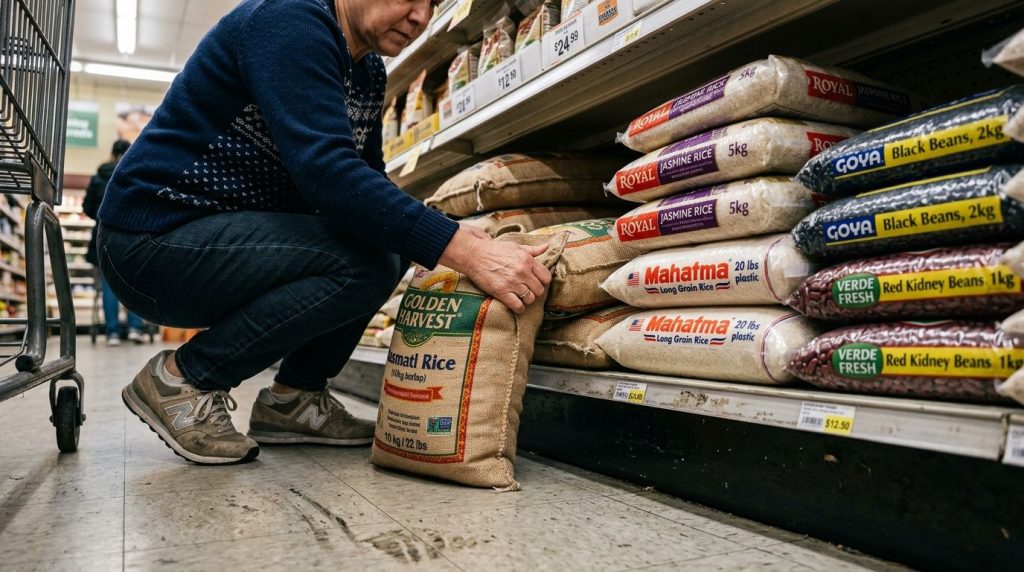
Grocery stores place the most expensive items at eye level. This is prime real estate that brands pay for. I learned to look up and down to find the better deals. The bottom shelves often hold the larger bags of grains and the store brand cans. These items have a lower profit margin for the store so they hide them.
I once spent five minutes looking for plain salt. The eye level shelves had fancy sea salts for six dollars. I looked at the very bottom and found a large container of plain salt for eighty cents. It was the same product but the price difference was shocking. I now make it a game to find the cheapest item on the shelf. Usually it is tucked away where you have to bend down to see it. Teach your kids this trick so they do not grab the sugary cereals in the middle.
10. Avoid Pre Cut and Pre Washed Items

Convenience has a high price tag in the produce department. A bag of pre washed lettuce costs twice as much as a head of romaine. A container of sliced onions is three times the price of a whole onion. I call this the laziness tax. I decided I would rather spend five minutes chopping than five dollars on plastic packaging.
I noticed that pre cut fruit also spoils much faster. When the skin is removed the fruit begins to break down. You get less fresh food for more money. I buy whole carrots and peel them myself. I buy a whole block of cheese and shred it with a box grater. Shredded cheese in a bag has added starch to keep it from sticking. Freshly grated cheese tastes better and melts smoother. It is a simple trade of time for money that always pays off.
11. Use Digital Cash Back Apps
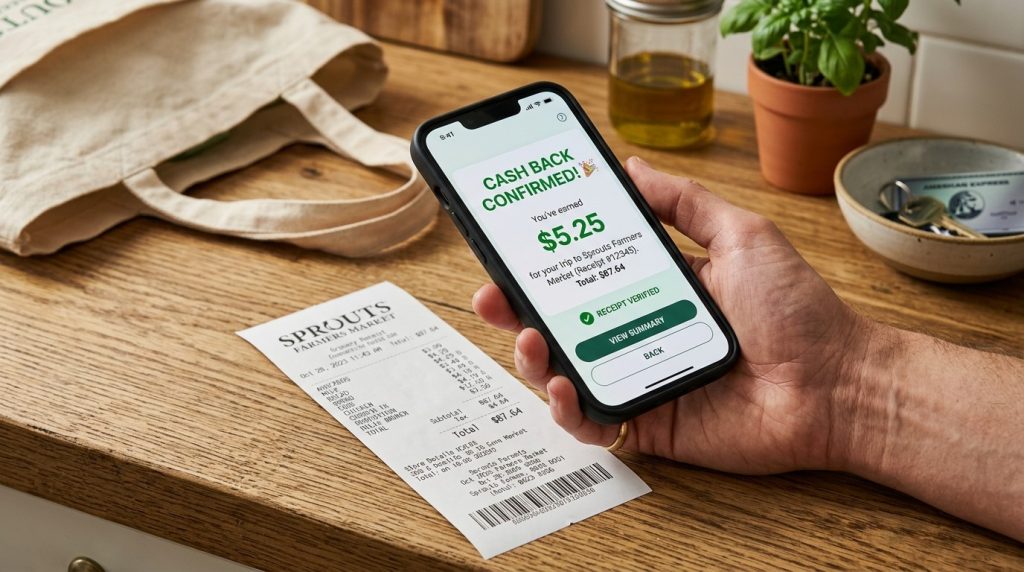
I am not a fan of paper coupons because they take too much time. However I love digital cash back apps like Ibotta and Fetch Rewards. These apps allow you to scan your receipt after you shop to earn money back. I have earned over five hundred dollars in the last year just by scanning my receipts. It takes less than thirty seconds.
I often find cash back offers for things I was going to buy anyway like milk or bread. Sometimes I find a free after cash back offer for a new product. I use the money I earn to buy gift cards for my next grocery trip. It feels like getting a free week of food every few months. I have seen this work best when you check the app before you go to the store. You can add the offers to your list and ensure you get the points.
12. Skip the Middle Aisles
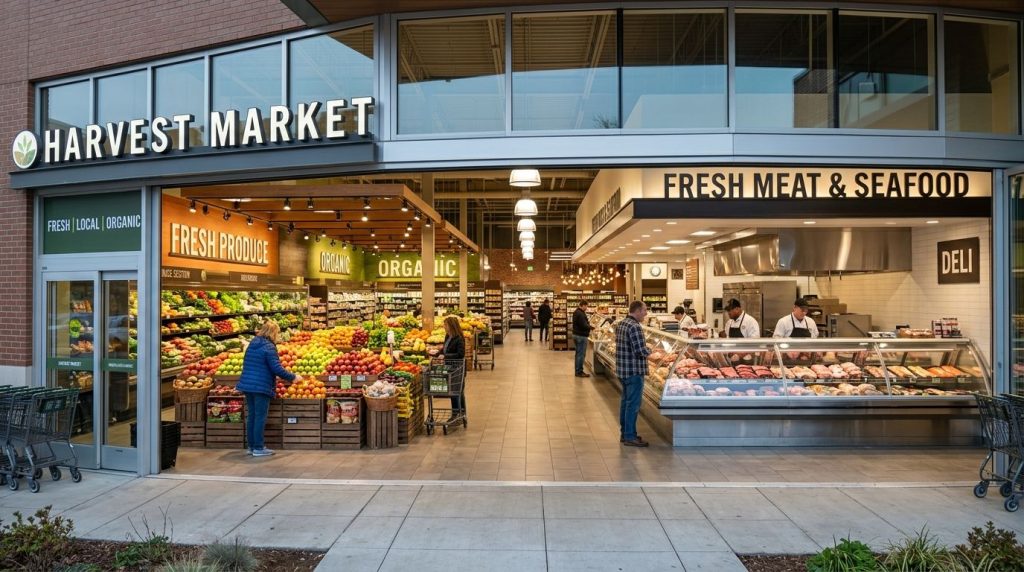
The perimeter of the store is where the fresh food lives. This is where you find produce and meat and dairy. The middle aisles are filled with processed foods and snacks and soda. These items are often expensive and have low nutritional value. I try to spend eighty percent of my time on the edges of the store.
When I stay out of the middle aisles I buy fewer boxes and bags. I focus on whole foods that fill me up longer. I have noticed that my energy levels are higher when I eat this way. I only go into the middle for specific items like olive oil or spices. This habit prevents me from being tempted by new flavors of crackers or seasonal cookies. It keeps my diet clean and my bill low. If you do not see the junk food you will not buy the junk food.
13. Shop Alone Whenever Possible

I love my kids but they are expensive shopping partners. They have a talent for finding the most expensive snacks and begging for them. My husband is not much better as he often adds items to the cart that are not on the list. I found that shopping alone allows me to stay focused and stick to my budget. I move faster and make better decisions.
In my experience I spend about twenty dollars more when I have company in the store. If you must bring the kids give them a specific task. Ask them to find the cheapest bag of red apples. This teaches them about money and keeps them busy. However if you want to save the most money go during a quiet time by yourself. I like going late on a Wednesday night when the store is empty. I can compare prices in peace and get out quickly.
14. Eat Before You Shop

This is the oldest rule in the book for a reason. Shopping while hungry is a disaster for your budget. Everything looks delicious when your stomach is growling. You are more likely to buy prepared foods or high calorie snacks that you do not need. I once went to the store after a long work day without eating. I came home with a rotisserie chicken and two types of cake and a bag of frozen wings. I spent fifty dollars on one meal.
Now I make sure to have a small snack like an apple or a handful of nuts before I enter the store. I feel more logical and less emotional. I can look at a bag of chips and realize I do not actually want it. I am there to get the ingredients for my meal plan. This simple habit keeps my impulses in check. It is a psychological trick that saves me money every single time.
15. Check the Clearance Rack
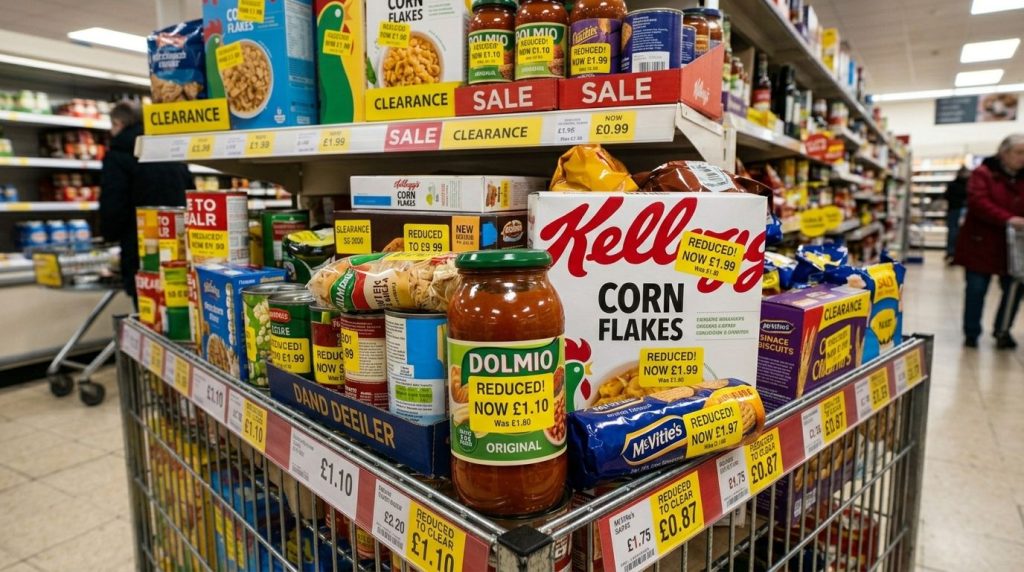
Most grocery stores have a hidden corner for marked down items. This is often where they put meat that is close to its sell by date or bruised produce. I always check the clearance meat section first. I have found organic chicken breast for fifty percent off because it needed to be used that day. I take it home and put it straight in the freezer.
I also look for the bakery clearance. You can find loaves of bread for a dollar that make perfect French toast. I once found a bag of slightly soft peppers for two dollars. I took them home and roasted them for a pasta sauce. They tasted amazing. Do not be afraid of these items. They are safe to eat but the store needs to move them to make room for new stock. It is a gold mine for anyone shopping on a budget.
16. Compare Fresh vs Frozen vs Canned
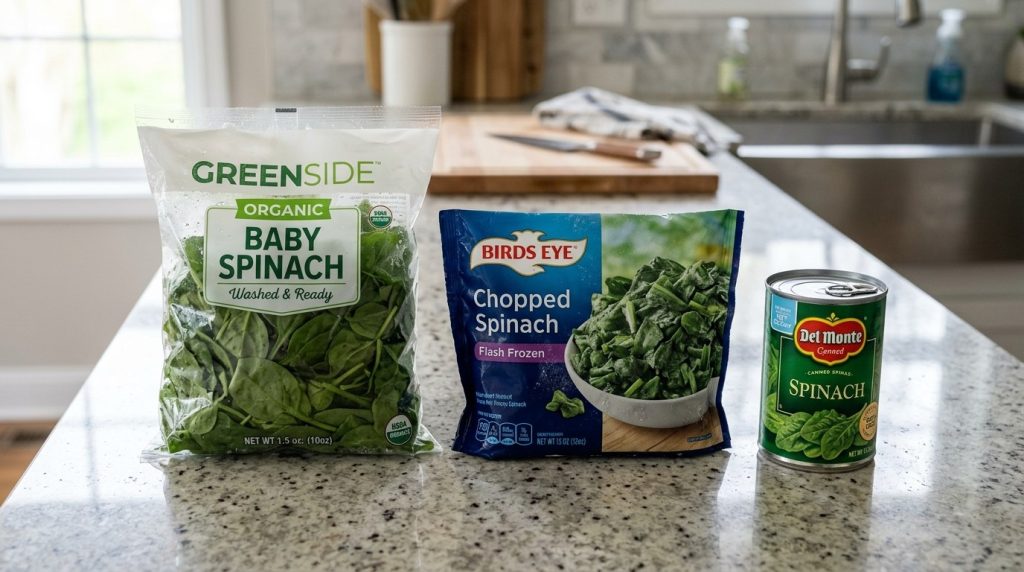
Fresh is not always the best choice for your wallet or your health. I compared the price of fresh green beans to frozen ones. The fresh ones were three dollars a pound and required trimming. The frozen ones were one dollar a pound and already prepped. Since frozen vegetables are processed immediately after harvest they often have more vitamins than fresh ones that sat on a truck.
I use canned beans for soups and stews because they are cheap and convenient. A bag of dried beans is even cheaper but requires soaking time. I keep a mix of all three types in my kitchen. I use fresh for salads and frozen for stir fry. This flexibility allows me to save money on groceries without sacrificing variety. I noticed that having frozen veggies on hand prevents me from ordering pizza on nights when I am too tired to chop.
17. Watch the Scanner at Checkout

Errors happen at the register more often than you think. I have noticed that sale prices do not always trigger correctly in the system. I stay alert while the cashier scans my items. I watch the screen to make sure the price matches the shelf tag. Last week a bag of grapes rang up for six dollars instead of the three dollar sale price.
I politely pointed it out and the cashier fixed it. If I had not been watching I would have lost three dollars. Some stores even have a policy where you get the item for free if it rings up wrong. It pays to be attentive. I also double check my receipt before I leave the parking lot. It is much easier to get a refund while you are still at the store. This habit ensures that all your hard work of finding deals actually counts.
18. Learn the Sales Cycle

Grocery stores run on a predictable schedule. Most sales cycles last about six to twelve weeks. I noticed that my favorite coffee goes on sale every two months. Instead of buying one bag at full price I buy four bags when they are on sale. This carries me through until the next sale starts. I call this building a mini stockpile.
I do not buy more than I can use but I buy enough to avoid paying full price. This works great for pasta and canned goods and frozen meat. I keep a small notebook where I track the prices of the ten items I buy most. I know that three dollars is a great price for butter at my store. When I see it for that price I grab three blocks and freeze them. You do not need a huge pantry to benefit from this. Just a little bit of extra space and a watchful eye.
19. Drink More Water and Less Soda

Beverages are a huge drain on a grocery budget. Soda and juice and energy drinks add up quickly. A twelve pack of soda can cost eight dollars. If you drink two a day you are spending hundreds of dollars a year on sugar water. I decided to switch to tap water with a slice of lemon or cucumber. It is healthier and essentially free.
I bought a reusable water bottle that I take everywhere. I save about forty dollars a month just by skipping the drink aisle. I also stopped buying expensive bottled water. Most tap water in the USA is perfectly safe and tastes fine with a simple filter. If you love carbonation consider a soda maker. It is a small investment that pays for itself in a few months. Your body and your bank account will thank you for this change.
20. Use a Smaller Plate and Portion Food
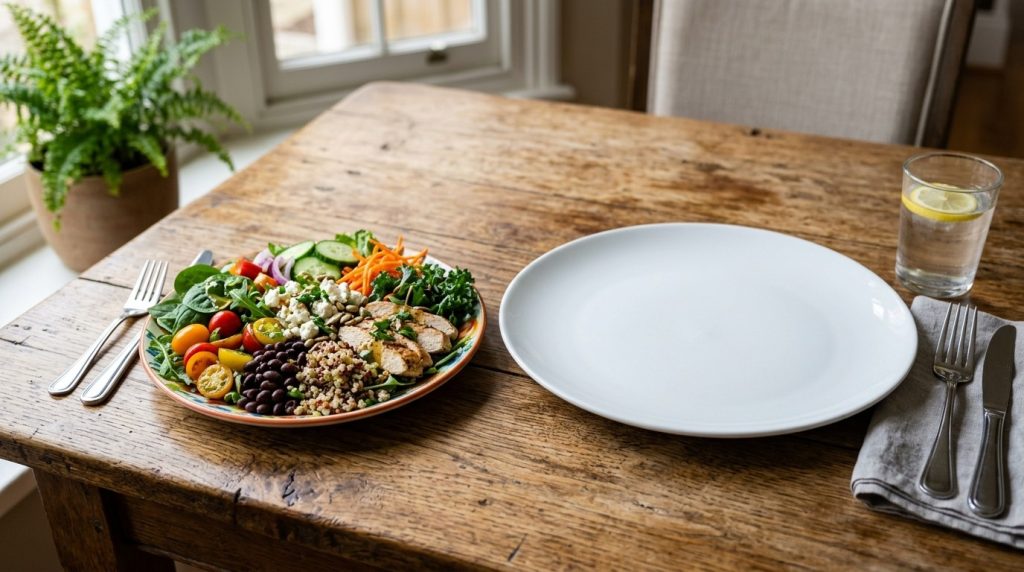
Saving money on groceries also involves how much you eat. I noticed that we were served huge portions at home because our plates were large. We often ate more than we needed just because the food was there. I switched to smaller salad plates for our main meals. We still feel full but we eat about twenty percent less food.
This means our groceries last longer. I also started portioning out snacks into small bowls instead of eating from the bag. If you sit down with a whole bag of chips you will likely eat half of it. If you put a handful in a bowl you will stop when the bowl is empty. This habit reduces food waste at home and helps with weight management. It is a simple lifestyle shift that makes your budget stretch further every week.
22. Comparison Table of Common Grocery Stores
| Store Category | Example Brands | Price Level | Best Items to Buy |
| Discount | Aldi, Lidl | Lowest | Produce, Store Brands, Snacks |
| Warehouse | Costco, Sam’s Club | Low (per unit) | Meat, Paper Goods, Grains |
| Standard | Kroger, Safeway | Medium | Weekly Sales, Pharmacy |
| Premium | Whole Foods, Publix | High | Specialty Items, Organic Meat |
I found that shopping at a mix of these stores works best. I go to Aldi for my weekly basics and Costco once a month for bulk items. This strategy keeps my average cost per meal very low.
23. Troubleshooting Your Grocery Savings

Sometimes you try to save money and it backfires. I have seen this happen when people buy items just because they have a coupon. If you buy a two dollar box of crackers for one dollar but you do not like them you still wasted a dollar. Only use coupons for things you already need.
Another failure point is the “Store Hopping” trap. I used to drive to three different stores to get the best deals. I realized I was spending five dollars on gas to save three dollars on eggs. It was a net loss. Now I pick one main store and stick to it. Use apps like Flipp to see all the ads in one place. If a store has a great deal on meat I might make an extra stop but only if it is on my way home. Focus on big wins like meal planning rather than chasing every cent.
24. Frequently Asked Questions
1. Is it really cheaper to buy in bulk?
Buying in bulk is cheaper only if the unit price is lower and you use the entire product. Items like rice and beans are almost always better in bulk. Perishable items like large tubs of yogurt often go bad before they are finished. Always check the math on the shelf tag to be sure.
2. How can I save on groceries without using coupons?
The best way to save without coupons is to shop at discount stores like Aldi and buy store brands. Focus on seasonal produce and avoid pre cut items. These habits provide a bigger discount than most coupons anyway. Using cash back apps is also a fast alternative to clipping paper.
3. Does meal planning actually save money?
Yes meal planning prevents impulse buys and reduces food waste. When you know exactly what you need you do not buy extra items that end up in the trash. It also keeps you from ordering expensive takeout when you have no plan for dinner.
25. Final Thoughts on Saving Money
Mastering your grocery bill is a journey not a sprint. You do not have to do all twenty habits at once. Pick two or three that feel easy and start there. I started by just checking my pantry and it saved me twenty dollars in the first week. As you get comfortable you can add more habits like unit pricing or seasonal shopping.
I have noticed that the more I pay attention the more I enjoy my food. I am more creative in the kitchen and less stressed about money. You have the power to change your financial future starting with the next trip to the store. Remember that every dollar you save on groceries is a dollar you can use for your goals. Start small and stay consistent. You will be amazed at how quickly the savings grow.

James Mitchell is the founder and sole creator behind Logic and Liquidity. With a deep passion for both finance and interior design, James manages every aspect of the website—from writing in-depth blog posts to handling strategy, operations, and content creation. His mission is to help homeowners see their spaces through a financial lens, proving that great design is a smart investment.