
Imagine waking up on the first of the month knowing exactly where every single cent of your paycheck will go. No guessing. No “where did my money go” panic on the 20th. Just pure control. That is the power of a zero-based budget.
Most people think budgeting is about restriction. I used to think that too. Back in 2018, I was earning a decent salary in Chicago but still lived paycheck to paycheck. I tried “vague tracking” where I just looked at my bank app. It failed. I tried the 50/30/20 rule. It was too broad.
Then I found zero-based budgeting. The concept is simple. Your income minus your expenses must equal zero. If you earn $5,000, you assign $5,000 to various categories until nothing is left over.
This is not about having $0 in your bank account. It is about giving every dollar a job. Whether that job is buying groceries, paying the mortgage, or sitting in a high-yield savings account, it has an assignment.
The following guide breaks down the 10 steps budgeting process that changed my life. We will go deep into the mechanics, the tools, and the mental shifts required to make this stick.
Step 1. Write down your total monthly take-home pay

You cannot plan a journey if you do not know your starting point. Your first task is to calculate exactly how much money hits your bank account every month.
Include your primary salary. Add in side hustle income from Uber or Etsy. Don’t forget child support, alimony, or any regular dividends. Use your “net” pay. This is the amount after taxes, insurance, and 401k contributions are removed.
If your income fluctuates, use your lowest expected amount. I call this the “floor” method. When I was freelance writing, my income swung between $3,000 and $6,000. I always budgeted for $3,000. Anything extra became a “bonus” for debt payoff at the end of the month.
Accuracy matters here. Pull up your last two paystubs. Look at the actual deposit amounts. Many people guess their income and end up $200 short. That $200 is the difference between a successful month and a credit card balance.
Step 2. List every single fixed expense

Fixed expenses are the “must-pays” that stay the same every month. These are the easiest to track because they are predictable.
Your list should include your rent or mortgage. Include car payments. List your internet bill. Include your gym membership. Add your Netflix or Spotify subscriptions.
Check your bank statements from the last ninety days. We often forget the small $10 subscriptions that drain our accounts. I once found a $15 monthly charge for a magazine I had not read in two years.
Total these numbers up. This is your baseline cost of living. Knowing this number provides instant clarity. If your fixed expenses take up 80% of your income, you know you have a lifestyle problem, not just a budgeting problem.
Step 3. Categorize your variable spending
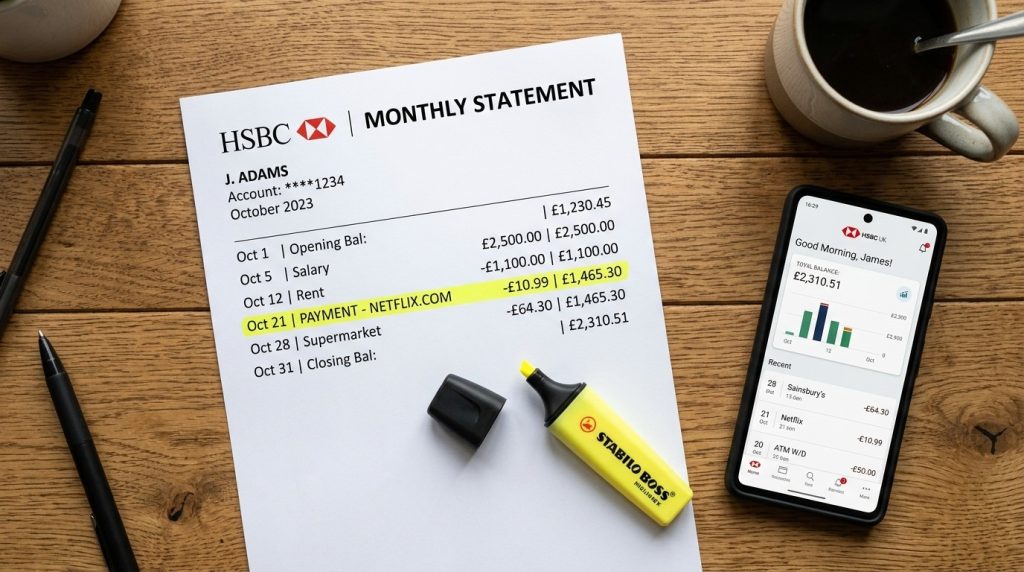
Variable expenses are the budget killers. These change based on your behavior. This is where most people lose the “every dollar budget plan” battle.
Categories include groceries, dining out, gas, and utilities. It also includes “fun money” and clothing.
Look at your past spending to set realistic limits. Do not tell yourself you will spend $200 on groceries if you usually spend $600. That is a recipe for failure.
I recommend using a “Simple zero budget guide” approach for variables. Start with what you actually spend. Then, try to trim 10% each month until you hit a sustainable number.
Personal tip: Split “Groceries” and “Dining Out” into two distinct categories. Combining them hides how much you spend on convenience. When I separated these, I realized I was spending $400 a month on “quick lunches” that I didn’t even enjoy.
Step 4. Account for seasonal and occasional costs

This step is the “secret sauce” of successful zero-based budgeting. Most budgets fail because “life happens.” Your car needs new tires. Your friend gets married. Christmas arrives in December.
These are not surprises. They are predictable irregular expenses.
Create “Sinking Funds” for these items. If you spend $600 on car insurance every six months, you need a budget line for $100 every month.
I use this for my Amazon Prime annual fee. It is $139 a year. I put $12 into a category every month. When the bill hits in July, I don’t feel the sting.
List out your annual expenses. Divide them by 12. Add these to your monthly budget. This ensures your “Beginner zero-based budgeting” effort survives beyond the first month.
Step 5. Prioritize debt and savings goals

Once your bills and living costs are covered, look at what is left. This is your “power money.” This money buys your future freedom.
If you have high-interest debt, like credit cards, every extra dollar should go there. Use the debt snowball or debt avalanche method.
If you are debt-free except for the house, focus on your emergency fund. Aim for three to six months of expenses.
In my own journey, I felt stagnant until I made “Savings” a line item just like a bill. I stopped saving “what was left” and started giving those dollars a high-priority job at the top of the list.
Zero-based budgeting makes your progress visible. Seeing that $400 go toward a student loan feels much better than wondering why your checking account is empty.
Step 6. Subtract your expenses from your income to hit zero

Now comes the math. Total income minus total expenses must equal zero.
If you have $500 left over, you are not done. You must assign that $500. Put it toward debt, a vacation fund, or extra retirement savings.
If you are in the negative, you have to cut. Look at your variable expenses first. Can you cook at home more? Can you cancel a streaming service?
This step forces you to make hard choices before the month begins. It is much easier to say “no” to an expensive dinner on the 1st than it is to deal with a bounced check on the 28th.
The goal is a perfect balance. Every cent has a name and a destination. This is the core of the “Zero-based budget steps” philosophy.
Step 7. Track every transaction in real time

A budget is just a piece of paper until you spend money. Tracking is where the rubber meets the road.
Do not wait until the end of the week to log your spending. You will forget the $4 coffee or the $12 pharmacy run. Use an app or a simple notebook.
I use the “Easy monthly budget hacks” method of immediate logging. I stand at the cash register and enter the amount before I even leave the store.
This creates a feedback loop. When you see your “Grocery” category drop from $100 to $20, you naturally start looking for deals. It changes your psychology from “Can I afford this?” to “Is this in the plan?”
If you share a budget with a partner, real-time tracking is non-negotiable. It prevents “double spending” the same pool of money.
Step 8. Use the envelope system for trouble categories

If you find yourself constantly overspending in certain areas, switch to cash. This is a classic “Zero budget template tips” move that works because of physics.
Take the cash out of the bank for categories like “Dining Out” or “Personal Spending.” Put it in an envelope. Once the cash is gone, the spending stops.
There is a physical pain associated with handing over a $20 bill that doesn’t exist with a plastic card.
I used this for my “Coffee Shop” habit for six months. It was the only way I could stop hitting the drive-thru every morning. When my envelope was empty by the 15th, I drank the office coffee. It was a harsh but effective teacher.
You don’t have to do this for everything. Keep your bills on autopay. Just use cash for the areas where you lack discipline.
Step 9. Adjust the budget as the month progresses

Life is messy. Your utility bill might be higher than expected. An invitation to a birthday party might pop up.
A zero-based budget is not a stone tablet. It is a living document.
If you overspend in one category, you must “rob” another category to cover it. This is the “Whack-a-Mole” strategy. If the electric bill is $30 over, take $30 out of your “Dining Out” fund.
The “Zero-based budget steps” rule remains: the total must still equal zero.
I used to think adjusting meant I failed. Now I know it means I am managing. Expecting a perfect month is a fantasy. Successful budgeters are the ones who can pivot without giving up.
Step 10. Review your progress and plan for next month

On the last day of the month, sit down and look at the numbers. Where did you win? Where did you struggle?
Don’t judge yourself. Just look at the data. If you constantly overspend on gas, increase that category for next month. If you always have money left in “Clothing,” move some of it to “Savings.”
Use what you learned to create the next month’s budget. Every month is different. December will have more “Gifts” spending. August might have “Back to School” costs.
Your budget should reflect your actual life, not an idealized version of it.
After three months of this cycle, you will start to feel a sense of peace. The “Every dollar budget plan” becomes second nature. You are no longer a victim of your finances. You are the boss.
Comparison of Budgeting Methods
| Feature | Zero-Based Budgeting | 50/30/20 Rule | Envelope System |
| Effort Level | High | Low | Medium |
| Control | Absolute | General | Physical |
| Best For | Debt payoff and high goals | Beginners wanting ease | Overspenders |
| Flexibility | Moderate | High | Low |
| Tool Required | App or Spreadsheet | Simple Math | Cash Envelopes |
Recommended Tools for Zero-Based Budgeting

1. YNAB (You Need A Budget)
This is the gold standard for zero-based budgeting software. It is a paid app, but the “four rules” they teach are worth every cent. It handles credit cards better than any other tool I have tested.
2. EveryDollar
Created by the Ramsey Solutions team, this tool is built specifically for the “Every dollar budget plan.” The free version is great for manual entry, while the paid version syncs with your bank.
3. Google Sheets
If you want total customization and zero cost, a spreadsheet is the way to go. There are thousands of “Zero budget template tips” available online for free. I used a spreadsheet for the first two years of my journey.
4. PocketGuard
This is great for a simplified view. It shows you exactly how much “In My Pocket” money you have after all your goals and bills are accounted for.
Frequently Asked Questions
What if my income is irregular?
Budget based on your lowest expected monthly income. When extra money comes in, treat it as a “bonus” and assign it to your highest priority goal immediately. This prevents the “lifestyle creep” that often happens when a big paycheck hits.
Is zero-based budgeting time-consuming?
It takes about two hours to set up your first month. After that, it takes about ten minutes a week to track and five minutes a day to log transactions. The peace of mind you gain far outweighs the time spent.
Can I use credit cards with a zero-based budget?
Yes, but you must be disciplined. Treat the credit card like a debit card. When you spend $50 on gas with a credit card, that $50 must be “removed” from your gas category in the budget immediately. If you cannot do this, stick to debit or cash.
What should I do with “leftover” money?
In a zero-based budget, there is no such thing as leftover money. If you have extra, give it a job. Put it toward your mortgage principal, an investment account, or a “fun” fund for a future trip.
How do I handle unexpected emergencies?
This is why you have an emergency fund. If an emergency happens, use that fund to pay for it. Then, your top budget priority for the next month is to replenish that fund.
Does every dollar mean I have no fun?
Absolutely not. You can budget for anything. If you want to spend $200 on video games, put it in the budget. The difference is that you are choosing that expense over something else, rather than spending blindly.
Zero-based budgeting is the most effective way to gain total control over your financial life. It stops the leaks. It focuses your energy. It turns your goals into math problems that you can solve.

James Mitchell is the founder and sole creator behind Logic and Liquidity. With a deep passion for both finance and interior design, James manages every aspect of the website—from writing in-depth blog posts to handling strategy, operations, and content creation. His mission is to help homeowners see their spaces through a financial lens, proving that great design is a smart investment.