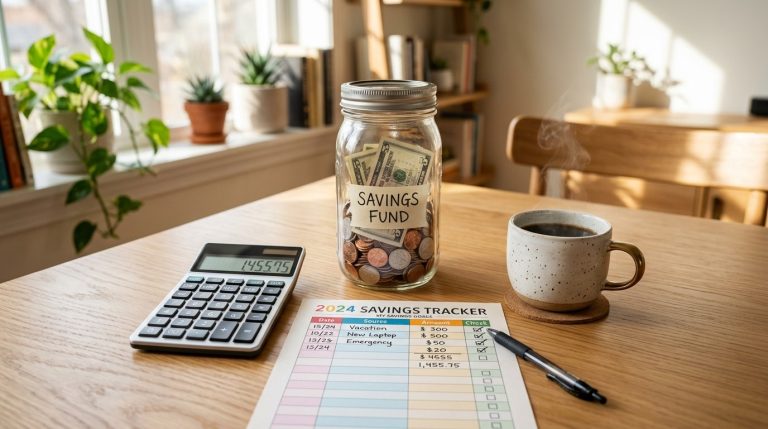
In January 2026, I looked at my bank account and felt a familiar sting. My rent had just climbed another 8%. My grocery bill was up. My “fun” spending was out of control. I was trying to use the old 50/30/20 rule, but it felt like a relic from a different era. The math simply didn’t work anymore. In this economy, 50% for needs is often a dream, and 20% for savings feels like a slow crawl. I needed a Budgeting System that reflected the reality of 2026.
I spent the next three months testing a more aggressive, balanced approach. I calls it the 30/30/30/10 budget. This Finance Plan isn’t about restriction. It is about intentionality. It forces you to look at your Budget Categories with fresh eyes. By the time I hit April, I had saved an extra $2,400. I wasn’t making more money. I was just managing it better.
If you feel like your current Finance Plan is stuck in 2019, you are in the right place. This guide covers every detail of the 30/30/30/10 method. We will look at how to build a robust Monthly Savings Plan while still keeping your Fun Money intact. This is the Financial Life Hacks manual you actually need to reach your Finance Goals.
1. What Exactly is the 30/30/30/10 Budgeting System?

The 30/30/30/10 rule is a modern framework for your money. It divides your take home pay into four distinct buckets. 30% goes to housing and necessities. 30% goes to Finance Goals like Debt Repayment and a Savings Plan. 30% goes to lifestyle and Fun Money. The final 10% goes to giving or long-term legacy building.
When I first heard of this, I thought 30% for housing was impossible. But that is the point. It forces you to see if you are “house poor.” In 2026, many of us spend 45% or more on rent. That leaves nothing for your future. This Budgeting System acts as a mirror. It shows you exactly where your Finance Plan is broken.
Most traditional systems neglect the psychological need for enjoyment. By allocating 30% to your lifestyle, you prevent the “frugal burnout” that kills most budgets. You can learn more about finding this balance in my financial freedom roadmap. It is the first step toward true Financial Peace.
2. Why the 50/30/20 Rule Failed Me in Early 2026
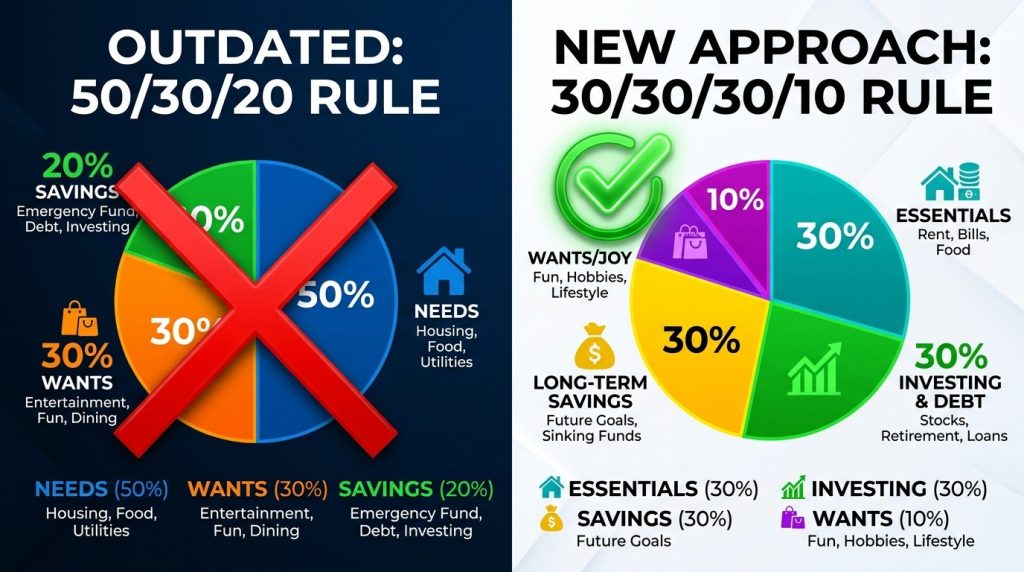
I used the 50/30/20 rule for five years. It worked when inflation was low and my rent was stable. But in 2026, the world changed. The “50% for needs” bucket became a catch-all for everything. I found myself hiding lifestyle costs in my “needs” just to make the math work. It was a lie I told myself every month.
The 50/30/20 rule also puts too little emphasis on aggressive Debt Repayment. If you only save 20%, it takes decades to build real wealth. On a low income, that 20% often gets eaten by car repairs or medical bills. I needed a Savings Plan that was more ambitious.
By switching to the 30/30/30/10 model, I increased my goal-oriented spending by 50%. I moved from a passive approach to an active one. If you are struggling with old methods, check out my how to budget for beginners guide. It will help you see why a new Budgeting System is necessary for the current year.
3. Breaking Down the Four Main Budget Categories

To make this work, you must be clear about your Budget Categories. If you mix them up, the system fails. I use a simple spreadsheet to track this. You can also use a Monthly Budget Template to keep things organized.
The first bucket is Housing and Essentials. This includes rent, mortgage, utilities, and basic groceries. The second bucket is Finance Goals. This is where your Monthly Savings Plan and Debt Repayment live. The third is Lifestyle. This is your Fun Money for dining out, hobbies, and travel. The fourth is Giving.
I found that being strict with these categories changed my Money Management. I stopped viewing my internet bill as a “lifestyle” cost and moved it to “essentials.” This clarity is one of the best Financial Life Hacks I can offer. For a deeper look at organizing your cash, see my how to save money on groceries post.
4. Managing Your First 30% Housing and Essentials
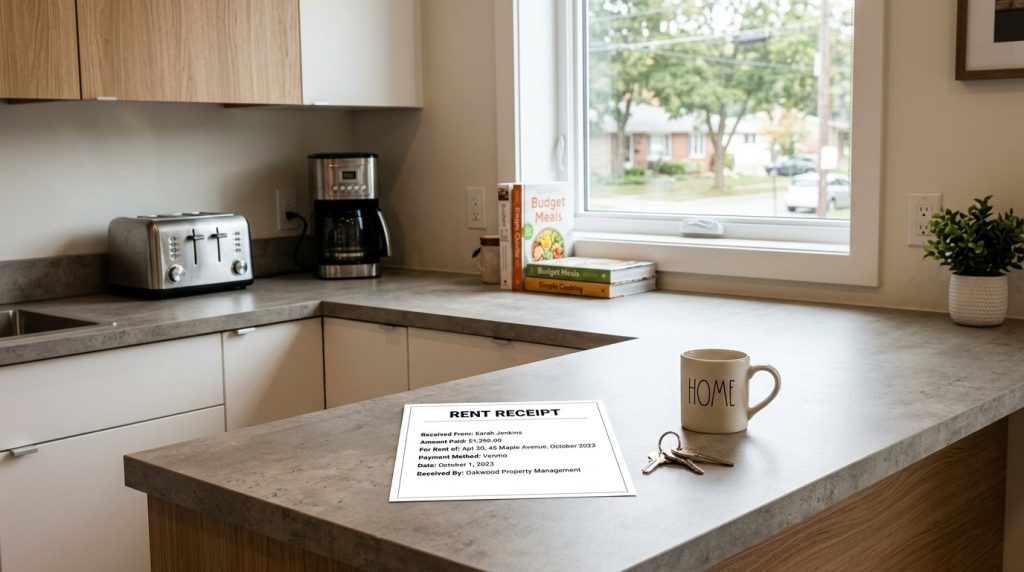
In 2026, keeping housing at 30% is a challenge. When I looked at my numbers, I was at 38%. I had to make a choice. I could either increase my income or decrease my costs. I chose both. I started a side hustle and moved to a slightly smaller apartment.
This category covers your “Four Walls.” If you can’t get this under 30%, your Monthly Savings Plan will always suffer. I recommend auditing your utility bills. I saved $40 a month just by switching to a more efficient power plan. These small wins add up in your Finance Plan.
If your rent is truly stuck at 40%, you have to take that extra 10% from your “Fun Money” bucket. You cannot take it from your Finance Goals. That is a trap that keeps you broke. For more on managing high costs, read my emergency fund guide.
5. Building Your 30% Savings Plan and Debt Repayment Strategy

This is the engine of your wealth. 30% toward your future is a game changer. In 2025, I only put 15% toward my debt. By moving to 30%, I cut my Debt Repayment timeline in half. I paid off a $5,000 credit card in four months instead of eight.
Your Savings Plan should include your Emergency Fund, retirement accounts, and short-term goals. I use the “Debt Snowball” method for my balances. It provides the psychological wins I need to stay motivated. Seeing a balance hit zero is the best feeling in the world.
If you don’t have debt, this entire 30% goes to your Monthly Savings Plan. Imagine putting 30% of your income into the stock market every month. That is how you achieve Financial Peace. For specific debt strategies, check how to get out of debt.
6. Reclaiming Your Joy with 30% Fun Money

Most budgets fail because they are too boring. They treat humans like robots. I am not a robot. I like expensive coffee and weekend trips. The 30/30/30/10 system gives you permission to spend. Your Fun Money is a vital part of the Finance Plan.
When I know I have a set amount for “fun,” I spend it without guilt. I stopped worrying about the $15 brunch because it was already in the budget. This reduces the stress of Managing Your Money. It makes the process sustainable for the long haul.
However, once that 30% is gone, it is gone. If I spend my Fun Money in the first two weeks, I have two weeks of “no spend” nights. This teaches discipline while allowing for enjoyment. If you need ideas for low cost fun, see my best side hustles to start now for ways to earn extra “play” money.
7. The Final 10% Giving and Legacy Building

This is the part most people skip. But in 2026, I found that giving back made me better at Budgeting. It reminds me that money is a tool, not a master. Whether you tithe to a church or donate to a local food bank, this 10% is for others.
If you are in deep debt, you might feel like you can’t afford this. I disagree. Even $10 a month starts the habit. It shifts your mindset from scarcity to abundance. This is one of the most underrated Financial Life Hacks.
If you truly cannot give cash yet, use this 10% for “Future You.” Put it into a long-term investment that you won’t touch for thirty years. But eventually, aim to give it away. It completes your Financial Life in a way that numbers cannot. Learn about building a legacy in my financial freedom roadmap.
8. Tools to Automate Your Finance Plan
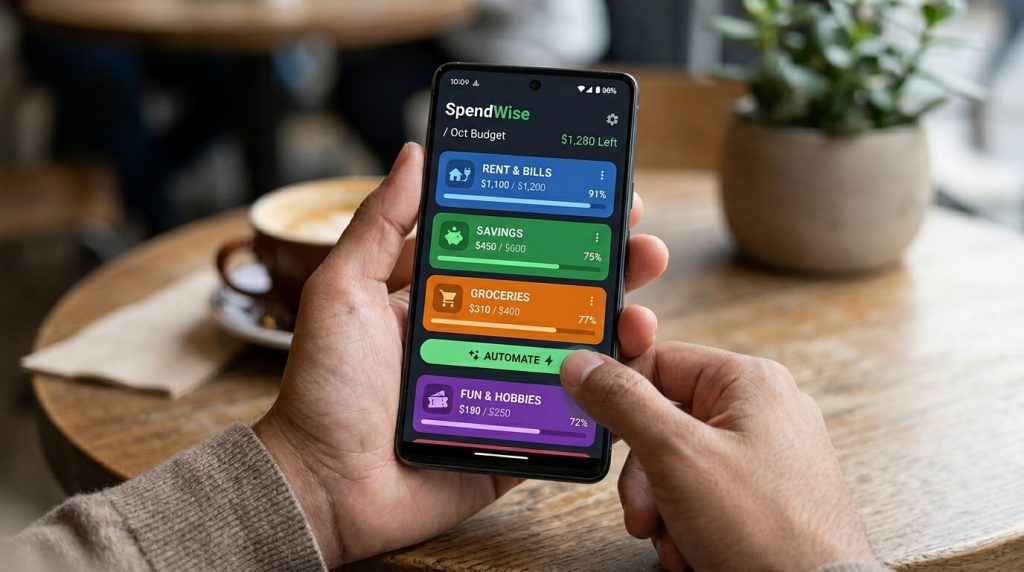
You cannot manage a 30/30/30/10 budget in your head. You need tools. In 2026, I use Monarch Money to track my accounts. It is much better than the old apps. I also use YNAB for “zero-based” tracking.
Automation is key. I have four different bank accounts at Ally Bank. On payday, my income is automatically split into these buckets. I don’t even see the Monthly Savings Plan money. It just disappears into my high yield account. This is how you win.
Other tools like Empower help me track my net worth. Seeing that number grow every month is the ultimate motivation. If you want to see how I set up my digital ecosystem, check out my how to budget for beginners guide. These tools make Managing Your Money almost effortless.
9. Case Study 1: How Mark Crushed $20k Debt in 12 Months
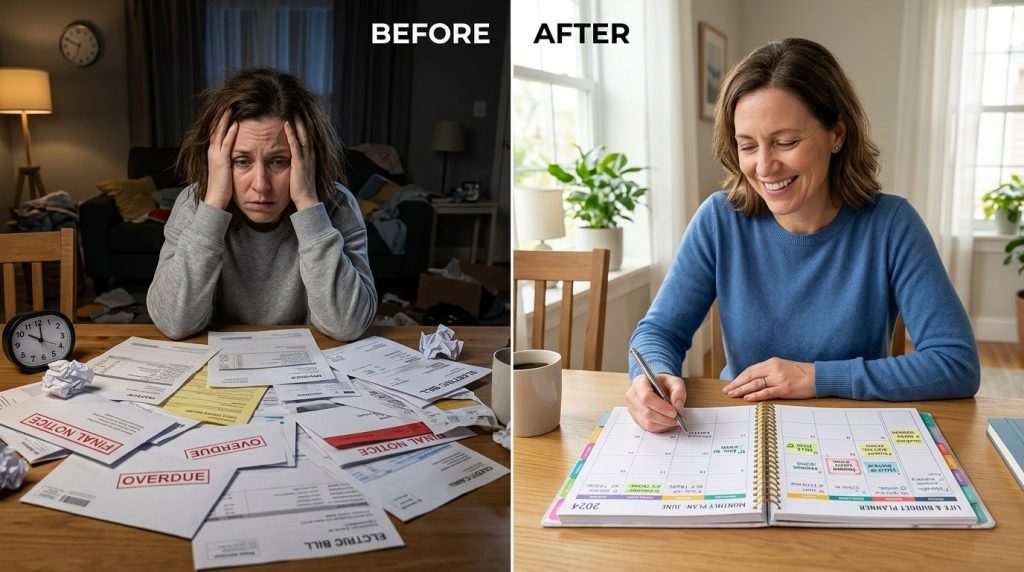
Mark was a 29-year-old teacher earning $55,000. He had $20,000 in student loans and felt hopeless. He was using a “loose” Finance Plan and making no progress. In February 2025, he switched to the 30/30/30/10 Budgeting System.
He moved in with a roommate to get his housing to 28%. He then took his 30% Debt Repayment bucket, which was $1,100 a month, and attacked his loans. He also used his Tax Refund and a small side hustle to add extra payments.
By February 2026, he was debt free. He still had 30% for Fun Money, so he didn’t feel like he was suffering. His story shows that the right framework can change your life. For a plan like Mark’s, see my how to get out of debt guide.
10. Case Study 2: Sarah’s Journey to a 6-Month Emergency Fund

Sarah was a freelance designer with a variable income. She never knew how much she would make. This made a Monthly Savings Plan difficult. She adopted the 30/30/30/10 rule but based it on her lowest ever monthly income.
In her good months, the “extra” money went straight to her Savings Plan. She focused entirely on her Emergency Fund. Within nine months, she had $15,000 saved. This gave her the Financial Peace to take bigger risks in her career.
Sarah used Financial Calculators to track her progress. She found that having a clear Budgeting System removed the anxiety of being a freelancer. If you want to build a safety net like Sarah, check my emergency fund guide.
11. Common Pitfalls and Troubleshooting Your Monthly Savings Plan
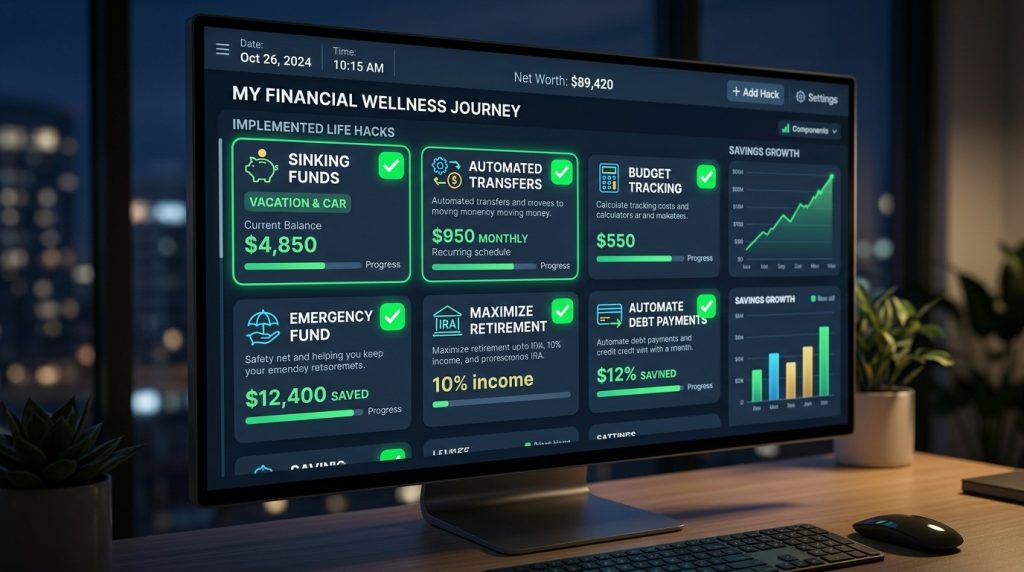
The biggest mistake I see is “Category Creep.” This is when you spend your Debt Repayment money on a “need” that is actually a “want.” You have to be a border patrol agent for your own money. If you overspend in one bucket, you must take it from another.
Another pitfall is forgetting irregular expenses. Car registration, annual insurance, and holiday gifts will wreck your Finance Plan if you don’t account for them. I create “sinking funds” within my 30% savings bucket for these items.
Finally, don’t ignore your credit score. A bad score makes your 30% housing bucket more expensive through higher interest. Check my credit score improvement tips to ensure you are getting the best rates. This is a vital part of your overall Financial Life Hacks.
12. Pros and Cons of the 30/30/30/10 Framework
| Feature | Pros | Cons |
| Aggression | Builds wealth much faster than 50/30/20. | Can be hard to achieve in high rent cities. |
| Sustainability | High “Fun Money” prevents burnout. | Requires strict discipline to not overspend. |
| Simplicity | Easy to remember and track. | 10% giving can feel difficult for some. |
| Flexibility | Works for both high and low earners. | Needs regular auditing to stay accurate. |
13. Summary of the 30/30/30/10 Methodology
This Budgeting System is a tool for the modern world. It balances your immediate needs with your future dreams and your current joy. By keeping housing at 30%, you ensure you aren’t overleveraged. By putting 30% toward goals, you ensure you are Creating Wealth.
The 30% lifestyle portion keeps you sane. The 10% giving portion keeps you grounded. In 2026, this is the most robust Finance Plan I have found. It changed my life, and it can change yours. It is the ultimate Monthly Savings Plan.
If you are ready to start, take your last three bank statements and run the numbers today. See how close you are to these percentages. For a more detailed breakdown, check my how to budget for beginners guide.
14. Frequently Asked Questions
What if I can’t find housing for 30% of my income?
This is a reality in many cities in 2026. If your rent is 40%, you must adjust. I recommend taking that 10% from your Fun Money bucket first. Never compromise your 30% Finance Goals bucket. That is the only way to eventually move into a better financial situation. You can also look into House Hacking in my how to invest in real estate with no money post.
Is 30% for fun money too much?
It might sound like a lot, but it includes everything that isn’t a basic survival need. Dining out, Netflix, travel, new clothes, and hobbies all live here. For most people, this is a realistic number that prevents the “binge spending” that happens on overly restrictive budgets. It is a key part of Finding Balance.
Should I pay off debt or save first in the 30% bucket?
Always build a starter Emergency Fund of $1,000 to $2,000 first. Once that is in place, use the rest of the 30% for high interest Debt Repayment. Once your credit cards are gone, move that 30% into your long term Savings Plan. See how to get out of debt for a clear priority list.
How do I track my fun money so I don’t go over?
I use a separate bank account with its own debit card for my Fun Money. When that account hits zero, I am done spending for the month. It is a physical boundary that works better than any app. This is one of my favorite Financial Life Hacks.
Can I use this system on a low income?
Yes. The percentages stay the same regardless of the dollar amount. While a 30% Savings Plan on a $2,000 income is only $600, it is still a massive win. It builds the Money Habits you will need when your income increases. Check how to save money on groceries to free up more cash for your buckets.
15. Conclusion

Mastering the 30/30/30/10 Budgeting System is about taking control of your story. In 2026, the old rules don’t apply. You need a Finance Plan that is as dynamic as the economy. By focusing on your Budget Categories and staying disciplined with your Monthly Savings Plan, you are buying back your time.Don’t wait for a new month to start. Run your numbers tonight. See where your money is actually going. Every small adjustment is a step toward your Finance Goals. You have the power to create a Financial Life that you actually love.

James Mitchell is the founder and sole creator behind Logic and Liquidity. With a deep passion for both finance and interior design, James manages every aspect of the website—from writing in-depth blog posts to handling strategy, operations, and content creation. His mission is to help homeowners see their spaces through a financial lens, proving that great design is a smart investment.